
Is It Cheaper to Ship or Sell Your Car Before Moving Abroad?
Introduction Here’s something nobody tells you when you decide to move abroad: at some point, usually around 2am when you’re three tabs deep into international freight websites, you’re going to have a minor crisis about your car. Not your apartment. Not your job. Your car. It sneaks up on you. You’ve been so focused on the big stuff — paperwork, flights, what to do with the sofa — and then suddenly this one question takes over: do I ship it or just sell it and deal with it later? And the more you look into it, the messier it gets. That’s when car relocation becomes a serious part of the conversation — not just a logistics task, but a financial and emotional decision that can impact your entire move. This guide is the version of this conversation nobody bothered to have with you yet. Real numbers, real trade-offs, and an honest look at both sides — so you can stop spiralling and actually make a call. Understanding the Core Question: Ship or Sell Car? When people talk about whether to ship or sell car, it usually comes down to two options that both have genuine merit depending on your situation: The honest answer to should I ship my car or sell it before moving is that there isn’t one answer that works for everyone. Your destination matters. Your car’s current value matters. What import duties look like where you’re going matters. What cars actually cost over there matters. Allied Movers International works through this with people constantly and will tell you the same — it’s calculable, but you have to run your specific numbers, not someone else’s. Option 1: Shipping Your Car Abroad There’s a reason people ship their cars. You land somewhere completely unfamiliar, jet-lagged and slightly overwhelmed, and eventually you collect your own vehicle from the port — and something about sliding into a familiar driver’s seat in the middle of all that newness genuinely helps. People don’t talk about that part enough. But it costs money. Sometimes quite a lot of it. Costs Involved Any honest car relocation cost comparison has to start with the full picture, not just the headline freight charge. Shipping costs typically fall between $1,000 and $5,000 or more depending on your route and method — container shipping vs. roll-on/roll-off — and that’s before you add: The number grows faster than people expect. Getting a detailed quote upfront from Allied Movers International is how you avoid discovering three surprise charges after you’ve already committed to shipping. Pros of Shipping Your Car Cons of Shipping This is exactly why a proper car relocation cost comparison matters before you land on either side of the ship or sell car debate. Option 2: Selling Your Car Before Relocation Selling car before relocation rarely gets the enthusiastic write-up it probably deserves. It’s not dramatic. There’s no satisfying image of your car being loaded onto a container ship. But for a lot of people, it’s just the cleaner, smarter, lower-stress option — and it puts money in your account during one of the more expensive transitions you’ll go through. Financial Benefits Moving abroad costs more than you budget for. It always does. Security deposits, buying things twice because you couldn’t ship them, the general financial chaos of getting established somewhere new — having cash from selling car before relocation lands at exactly the right moment. People typically end up on the selling side when: Pros of Selling Cons of Selling Worth having a proper conversation about your specific situation — Allied Movers International has been through this with enough people to give you a straight answer rather than a generic one. The Things That Actually Decide This 1. What Your Destination Country Actually Allows Some countries are fairly reasonable about vehicle imports. Others levy import duties so steep they make the whole conversation irrelevant. Some have age restrictions on environmental grounds that would block your car regardless of cost. This needs to be step one — not something you look into after you’ve already decided what you want to do. A real car relocation cost comparison has to account for what’s actually legally and financially possible at your destination. 2. Three Numbers You Need to Get Right Now Your car’s realistic resale value. The full cost to ship and clear customs. What a comparable car actually costs to buy abroad. When you have real figures — not estimates, not forum speculation — the answer to should I ship my car or sell it before moving usually becomes pretty obvious. Most people haven’t gathered all three numbers yet when they feel stuck on this, and that’s the actual problem. 3. How Old the Car Is Older vehicles face tougher scrutiny. Emissions compliance requirements have tightened significantly across a lot of markets. If the car is getting on in years and isn’t high in value, the ship or sell car question often resolves itself on the selling side before you even finish the calculation. 4. Whether You’re Going for Two Years or Forever A temporary posting and a permanent move are completely different situations that happen to sound similar. Short-term relocations almost never justify shipping. Long-term moves completely change the maths. 5. What the Car Means to You Beyond Its Market Value This sounds like the kind of thing a proper financial guide would tell you to ignore. It isn’t. If a car has genuine personal significance — it was your first big purchase, it belonged to someone you loved, it represents something real in your life — that’s a legitimate factor. Just be clear-eyed about what honouring that is actually costing you. A Car Relocation Cost Comparison With Real Numbers Two scenarios. Both based on realistic figures. When shipping wins: You keep a $12,000 car for $3,500 instead of spending $18,000 to replace it. Clear decision. When selling wins: Sell for $6,000, buy abroad for $7,500. You’re $1,500 down on the car, but $2,500 ahead versus what shipping
Common Mistakes to Avoid When Shipping a Car Overseas
Introduction Right so — shipping a car overseas. Sounds simple enough until you’re actually doing it and realizing there’s about fifteen things happening at once that nobody warned you about. A form you’ve never seen before, a country-specific rule that applies only to your destination, a cost that somehow wasn’t in the original quote. It catches people off guard every single time. And the worst part? It’s mostly the same stuff going wrong repeatedly. Not freak accidents. Not bad luck. Just the same shipping car mistakes that keep tripping people up because nobody sat them down beforehand and said — here, look at this list first. So that’s what this is. Companies like Allied Movers Muscat deal with this daily and they’ll tell you straight — customers who come in prepared have a completely different experience from those who don’t. These are the real mistakes when shipping a car internationally that are worth knowing before anything else. 1. Not Researching Import Regulations You’d be surprised how many people get here — car booked, payment made, paperwork started — and then find out the destination country won’t accept their vehicle. Not because anything is wrong with the car necessarily, but because there’s an emissions rule, an age restriction, a required modification that nobody flagged early enough. Every country runs its own import rules and they don’t care what’s road-legal where you’re coming from. The international car shipping problems that come from finding this out too late are genuinely rough — storage fees piling up at the port, re-export requirements, fines while you figure out your next move. These shipping car mistakes hurt both the wallet and the schedule badly. Look up import eligibility, customs duties, required inspections and emission standards for your specific destination before you do anything else. Dull research, yes. But it’s the kind of thing that directly cuts vehicle relocation risks before the process has even properly started. 2. Incomplete or Incorrect Documentation Customs doesn’t do sympathy. One detail mismatched across documents, one form not completed correctly, something missing from the pile — shipment stops. Full stop. And you’re fixing it remotely, which is its own special kind of stressful. What makes this particularly frustrating is that most mistakes when shipping a car internationally in this area come from people genuinely not knowing what was required — not from carelessness. Title, bill of sale, passport copy, shipping invoice, customs declarations — that’s the starting set, and depending on destination there’s often more. Having Allied Movers Muscat handle this part is genuinely useful. They’ve run enough routes to know what each destination needs and they’re not going to let a documentation gap create international car shipping problems that hold everything up. Clean paperwork from the start quietly eliminates a lot of vehicle relocation risks that people don’t even realize they’re carrying. 3. Choosing the Cheapest Shipping Option Low quote looks good. Then the car shows up late, or damaged, or the final invoice is somehow higher than what was originally agreed. Budget providers in this industry compete on price by quietly trimming things — insurance coverage, container protection, any real accountability when something actually goes wrong. These aren’t hypothetical shipping car mistakes. They play out all the time with people who chose the cheapest option without asking what was actually included in it. Check credentials. Read reviews that aren’t on the company’s own website. Ask directly what happens if something goes wrong and how claims are handled. The mistakes when shipping a car internationally that end up costing the most almost always trace back to this one decision. Allied Movers Muscat isn’t always going to be the lowest number on paper but the international car shipping problems that follow cheap providers are not a trade worth making. 4. Ignoring Insurance Coverage Most people assume their car is fully covered during shipping. Often it’s covered partially — with limits that make the policy basically useless in any serious claim situation. Nobody reads the fine print until they’re trying to file a claim and discovering what’s actually in there. Not checking coverage limits, not getting additional protection on a car worth real money — these are shipping car mistakes that feel theoretical right until they’re not. The international car shipping problems involving uninsured or underinsured damage are expensive to deal with and genuinely avoidable. Get written confirmation of what’s covered before the car moves. What’s included, what’s excluded, what the actual claims process looks like. Don’t work on assumptions with this one. 5. Leaving Personal Items Inside the Vehicle Seems fine. A bag in the boot, some things in the glovebox, a jacket on the back seat. The issue is most shipping companies don’t allow personal items in the vehicle, a lot of destination customs regulations specifically prohibit it, and loose items moving around during transit can cause interior damage you’ll be annoyed about later. One of those shipping car mistakes people dismiss as minor until a shipment gets flagged or belongings get pulled at customs. Easiest fix on this whole list — empty the car completely before handing it over. Genuinely that’s it. 6. Not Preparing the Vehicle Properly Everyone gets so deep into the paperwork side that the actual physical preparation of the car becomes an afterthought. Which is fine until there’s a damage dispute at delivery and you’ve got nothing showing what the car looked like before it shipped. Wash it. Photograph every panel properly — existing scratches, marks, dents, all of it, from multiple angles and close up. Check fluids. Keep fuel below a quarter tank. Disable any alarms. Not complicated steps but skipping them is a proper shipping car mistake that creates real problems when you need to challenge something later. Most mistakes when shipping a car internationally that turn into drawn-out disputes exist because there was no documented baseline. Allied Movers Muscat handles the logistics — pre-shipment prep is yours to do, and doing it properly is one of the more practical ways to
Customs Clearance for Vehicles: Documents You Need Before Shipping
Introduction Shipping a car across international borders isn’t just about loading it into a container and sending it off. The real work often happens before your vehicle even leaves the port. If you don’t have the right car shipping documents, your vehicle could be delayed, fined, or even turned away at its destination — and trust me, that’s not a situation you want to be in. Whether you’re relocating for work, moving back home, or selling a vehicle overseas, getting a solid handle on the documents required to ship a car internationally is something you simply can’t skip. In this guide, we’ll walk you through everything you need to know about customs clearance for cars, the most important vehicle export paperwork, and how trusted companies like Allied Movers Oman help take the stress out of the whole process. Why Proper Documentation Matters in Car Shipping Here’s the thing — international shipping involves strict customs regulations, and every country plays by its own rules when it comes to import duties and inspection requirements. Without the correct car shipping documents in hand, customs authorities won’t think twice about holding your vehicle at the port. Getting your customs clearance for cars right ensures: This is why understanding the documents required to ship a car internationally isn’t just helpful — it’s absolutely non-negotiable. Essential Car Shipping Documents You Must Prepare Let’s break down the key car shipping documents you’ll need for a successful shipment. 1. Original Vehicle Title The vehicle title is your proof of ownership, plain and simple. Customs officials require it as part of the vehicle export paperwork to confirm that the car isn’t stolen or caught up in some financial dispute. If there’s an outstanding loan on the vehicle, you’ll likely need a lienholder authorization letter too. Without this among your documents required to ship a car internationally, the export process can come to a grinding halt. 2. Vehicle Registration Certificate Your vehicle registration confirms that the car is legally registered in your name — another piece of the puzzle for customs clearance for cars. Some countries actually require deregistration before export, so it’s worth checking the destination country’s rules ahead of time. A missing registration document can throw your whole timeline off. 3. Copy of Passport A valid passport copy is pretty much a universal requirement across all car shipping documents. Customs authorities on both ends need to verify your identity, and there’s no getting around it. If you’re working with a shipping partner like Allied Movers Oman, their team will let you know whether any additional visa documentation is needed based on your specific route. 4. Bill of Lading The Bill of Lading (BOL) is issued by the shipping company once your car is actually on board. Think of it as both a receipt and a transport contract rolled into one. This document is critical among the documents required to ship a car internationally because it lays out the key shipment details: Without it, customs clearance for cars at the destination port simply cannot move forward. 5. Commercial Invoice or Purchase Invoice If the car was recently purchased, customs may ask for a commercial invoice. This is what they use to determine the vehicle’s value for tax and duty calculations. Solid vehicle export paperwork here helps customs assess import duties accurately and keeps any valuation disputes from slowing things down. 6. Export Declaration Form Many countries require an official export declaration before a vehicle can leave. This form is essentially your confirmation that the vehicle is being exported legally and in line with trade regulations. Leaving this out of your car shipping documents can lead to shipment cancellation or some pretty steep penalties — neither of which you want to deal with. 7. Insurance Certificate While it’s not always a hard requirement for export, insurance coverage is something you really shouldn’t skip. It protects your car against loss or damage while it’s in transit. Professional companies like Allied Movers Oman can arrange marine insurance to make sure your vehicle is fully covered for the journey ahead. 8. Power of Attorney (If Applicable) If you’re letting a shipping company handle the paperwork on your behalf, you’ll likely need to provide a notarized power of attorney. This gives your logistics partner the legal authority to process customs clearance for cars and submit vehicle export paperwork in your name. Country-Specific Requirements One of the trickier aspects of preparing documents required to ship a car internationally is that every country has its own set of rules — and they don’t always line up. For instance: Working with experienced logistics providers like Allied Movers Oman means you’ll know about destination-specific requirements well before your shipment date, not after. Common Mistakes to Avoid in Vehicle Export Paperwork When pulling together your car shipping documents, even the smallest oversight can snowball into major delays. Watch out for these common slip-ups: Incomplete vehicle export paperwork can leave your car sitting at a port racking up storage fees — which adds up fast. That’s exactly why so many people hand off customs clearance for cars to professionals rather than going it alone. Import Documents Required at Destination The paperwork doesn’t wrap up once your car leaves home soil. At the destination port, you’ll typically need: These additional documents required to ship a car internationally are what allow the vehicle to be legally registered in its new country. Good coordination between your export and import documentation is what keeps customs clearance for cars running smoothly from start to finish. How Allied Movers Oman Simplifies the Process Wrangling all these car shipping documents can feel like a lot — especially if you’ve never shipped a vehicle internationally before. That’s where Allied Movers Oman genuinely makes a difference. Their team helps with: Having professionals in your corner means fewer surprises, fewer delays, and far less stress throughout the process. Tips for Smooth Customs Clearance for Cars A few practical pointers to keep things running without a hitch: ✔ Double-Check All
International Car Shipping Costs: What Affects the Final Price?

Introduction You’ve made the call to move abroad. Or maybe you came across a car listed overseas at a price that genuinely made you pause. At some point, no matter how you got here, the same question shows up: how much does it cost to ship a car internationally? On the surface it seems like something you could google and answer in five minutes. Then you actually try, and suddenly there’s a lot more to untangle than you expected. Getting a handle on the international car shipping cost before you’re deep into the process saves you real headaches. Not just for the budget — though that too — but because understanding what’s actually driving the price changes how you approach every decision that follows. You stop feeling like you’re at the mercy of whatever number lands in your inbox. Here’s what most people don’t realize going in: no two quotes are built the same way. Someone shipping a similar car to a different country, through a different company, two months later — their number could look completely different from yours. Distance, vehicle type, which shipping method you go with, customs at the destination, time of year — these things genuinely shape the final cost. They’re not fine print. Below, we go through the real car shipping price factors that move the needle, what they mean for your vehicle relocation cost overseas, and how working with somebody like Allied Movers tends to make the whole thing a lot less chaotic. Understanding International Car Shipping Cost Basics First things first — how much does it cost to ship a car internationally, ballpark? The range most people land in sits between $1,000 and $5,000, sometimes higher depending on what’s involved. That spread isn’t there to confuse you — it reflects the fact that the variables are real and they genuinely affect the number. Where you’re going, what you’re shipping, when you’re doing it, what the customs situation looks like on arrival — any one of these can shift a quote by several hundred dollars. When a company builds your international car shipping cost, they’re not running a simple distance calculation. There’s port handling, customs paperwork, inland transport, fuel surcharges, admin costs — all of it wrapped up in legally moving a vehicle from one country to another. Your vehicle relocation cost overseas is the product of all those layers, not just the nautical miles. Walking into the process with that awareness means you can actually interrogate a quote, not just stare at the total and hope for the best. 1. Distance and Destination Distance driving up cost — that part most people have already figured out before they start researching. More distance means more fuel, more time, more everything. The international car shipping cost goes up accordingly. No surprises there. What tends to genuinely surprise people is how much the destination country itself changes the equation. Two routes that cover roughly the same distance can produce quotes that look nothing alike. A destination with busy ports, high shipping volume, and well-worn trade lanes is one thing. A country with limited port infrastructure, tight import rules, or steep duty rates is an entirely different situation. These aren’t minor footnotes — they’re serious car shipping price factors that you simply won’t see reflected in a mileage-based estimate. Your vehicle relocation cost overseas is shaped as much by what’s waiting at the other end as by how far the ship travels. Allied Movers can walk you through destination-specific fees — port charges, import documentation requirements, country duties — so the number you get actually tells you what you’ll pay. 2. Shipping Method: Container vs. Roll-On/Roll-Off (RoRo) The method you choose for getting your car on the water has a direct and meaningful effect on your international car shipping cost. It’s worth understanding both options before you commit. Roll-On/Roll-Off (RoRo) RoRo is exactly what it sounds like — your car gets driven aboard a vessel built specifically for vehicles, secured in place, and shipped with others. It’s efficient, prep requirements are minimal, and it generally keeps the vehicle relocation cost overseas on the lower end of the spectrum. For most everyday cars, it works without issue. Container Shipping With container shipping, your vehicle travels inside a sealed steel container, either alone or alongside other cargo. The cost is higher — that’s just the reality. But for high-value vehicles, classics, or anything you’ve invested significant money into, the added protection justifies the increase in international car shipping cost for a lot of people. When you’re working out how much does it cost to ship a car internationally, don’t just go with the cheaper method by default. Think about what you’re shipping and ask for both options. The right call depends on the specific vehicle. 3. Vehicle Size, Weight, and Type Bigger vehicle, higher cost. It’s one of the more straightforward car shipping price factors, but it has real impact when it plays out across different vehicle types. A small car takes up less room, weighs less, and is easier to move through the logistics chain. A large SUV or full-size pickup is a different story in every one of those areas. Add modifications, unusual dimensions, or specialist handling requirements into the mix, and your international car shipping cost moves up further. When you’re asking for quotes, give accurate information. Actual dimensions. Correct weight. Any modifications the vehicle has. Quotes built on rough guesses tend to shift when it comes time to actually lock things in, and that’s a frustrating experience. Your vehicle relocation cost overseas should be based on what your car actually is. 4. Port-to-Port vs. Door-to-Door Service How much of the process you hand off to the shipping company — beyond the ocean freight itself — has a tangible effect on what you end up paying. It’s one of those car shipping price factors that’s easy to overlook when you’re focused on the freight cost. Port-to-Port puts more of the logistics in your hands. You
Smart Packing Hacks to Save Time and Space When Relocating

Relocating is a demanding process that requires a structured strategy to ensure efficiency and protect personal assets. While moving is inherently labor-intensive and disruptive, implementing organized packing techniques and a clear logistics plan can significantly minimize the associated stress and physical strain. The primary objective of any move is the safe transit of belongings from the point of origin to the destination. Achieving this requires a combination of strategic planning and protective packing to prevent damage to fragile items. While many individuals engage professional services like Allied Movers to manage heavy lifting and transport, the efficiency of the move often depends on how effectively items are prepared and organized beforehand. Successful relocation relies on utilizing space-saving hacks and practical organizational systems. By focusing on methodical packing and early preparation, you can streamline the transition and maintain operational order throughout the move. The Golden Rule: Declutter Before You Pack Before you touch a single roll of tape? Purge. Seriously. Do not skip this. There is zero point in using packing hacks on junk you don’t even like. We all have that “doom drawer” full of random cables. Or a closet full of clothes from 2015. Go through every room. If you haven’t used it in a year, get rid of it. Donate it. Sell it. Trash it. This saves you so much time later. Plus, movers like Allied Movers usually charge by weight. Moving dead weight literally costs you money. Why pay to move a broken toaster? It makes no sense. Clothing: Roll, Don’t Fold Want one of the best packing hacks to save space? Stop folding clothes like they’re going in a dresser. Roll them. It’s just physics. Tightly rolled shirts take up way less room. You can jam way more into every box. Helps stop wrinkles, too. Even better? Leave clothes on the hangers. Sounds lazy, but it’s genius. Group a bunch of hangers together. Zip-tie them. Throw a trash bag over the top. When you get to the new place, just hang them up and rip the bag off. Done. You’re unpacked in two seconds. Pros like Allied Movers love this trick because it’s fast. The Nesting Doll Method You know Russian nesting dolls? Use that logic. This is one of the best hacks for the kitchen. Don’t pack big pots empty. That’s just shipping air. Fill them with spices. Timers. Dish towels. Whatever fits. You can also stuff socks inside your shoes. Saves luggage space and keeps the shoe shape. By filling up the empty spots, you use fewer boxes. Allied Movers usually recommend this. A solid, dense box is easier to stack in the truck anyway. Use Linens as Padding Bubble wrap costs money. Takes up space, too. Just use what you have. Wrap your dishes and frames in your towels and sheets. You’re packing your linens and protecting your breakables at the same time. Two birds, one stone. No need for packing peanuts. It’s one of those packing hacks to save space that feels like cheating. Just mark the boxes “FRAGILE” so you don’t toss a glass vase onto the bed. Companies like Allied Movers appreciate the heads-up. Vacuum Seal Bags are Your Best Friend Got big winter coats? Huge comforters? Get vacuum seal bags. They shrink a mountain of bedding into a flat pancake. Slides right into a box. Using these is hands-down the best hack for volume. You’ll be shocked how much fits. Just a warning from the team at Allied Movers: watch the weight. You don’t want the box to be so heavy the bottom falls out. Label by Room and Priority Writing “Kitchen” on a box isn’t enough. Try color-coding. Blue tape for the bedroom. Red for the kitchen. Also, mark a few boxes “Open First.” Put the essentials in there. Toilet paper. Coffee maker. Chargers. When Allied Movers unload, have them put these boxes right where you need them. You really don’t want to be hunting for a toothbrush at midnight. The Heavy-Light Rule When you’re rushing, it’s easy to forget physics. Pack heavy stuff (books) in small boxes. Light stuff (pillows) in big boxes. Don’t fill a huge box with books. You won’t be able to lift it. Allied Movers see this all the time. Boxes busting open because they’re too heavy. Smart packing hacks aren’t just about speed. They’re about not breaking your back. Photograph Your Electronics Before you unplug your TV? Take a picture of the back. You think you’ll remember where the wires go. You won’t. That photo will save you a ton of frustration later. Tape the cords to the device so they don’t get lost. Helps you get set up faster. Allied Movers can move the gear, but you have to hook it up. Stop Buying Boxes: Get Creative Use your suitcases. Hampers. Backpacks. These are great containers. One of the best hacks is simply using your luggage as a moving box. Suitcases with wheels are perfect for heavy books. If you need cardboard boxes, ask Allied Movers if they have any. Or check liquor stores for free ones. Liquid Proofing Opening a box to find shampoo all over everything? The worst. To stop this, put a piece of plastic wrap over the bottle opening. Screw the cap back on tight. Creates a seal. Stops leaks. It’s a small thing, but these hacks save you a mess. Allied Movers always say to keep liquids separate just in case. Furniture Disassembly Take things apart before the truck gets there. Remove table legs. Take bed frames apart. Tape the screws in a baggie to the furniture so you don’t lose them. Makes everything easier to move. If you hired Allied Movers, they usually help. But doing it yourself saves time. Disassembling is a solid hack to save space in the truck. The “Drawer” Trick If you have a light dresser, don’t empty it. If the drawers have light clothes like socks, just wrap the whole thing in plastic wrap. Keeps them shut. Saves you packing
What to Know Before Packing and Moving Overseas
International relocation is a complex logistical challenge that requires rigorous planning beyond the excitement of moving. Success depends on balancing the physical demands of packing with the strict administrative requirements of shipping household goods across borders. A common pitfall is neglecting essential paperwork, which can lead to severe delays or complications at customs. Prioritizing legal documentation and regulatory stamps early in the process is critical to ensure a compliant and orderly transition. Professional services like Allied Movers Oman mitigate these risks by providing expertise in secure packing and navigating shipping regulations. Engaging a specialized crew transforms an overwhelming task into a structured, manageable move, ensuring your belongings arrive safely. The Mental Shift Before you check any lists, stop. Just breathe. Moving overseas is a marathon. You need a game plan. First thing: accept that every country plays by its own rules. What works in the UK won’t fly in Dubai or Singapore. This is where the know-how of Allied Movers Oman saves you. They don’t just move boxes; they get the weird landscape of international moves and the traps people fall into. When you start planning, you’ll realize the legal list is huge. Visa apps, vaccination records from the 90s—it piles up. Don’t spiral. Just tackle it one step at a time. The Legal Stuff (Do Not Skip This) Let’s rip the band-aid off. We have to talk about legalities. If you mess this up, you don’t move. Visas and Work Permits Your passport is just the start. Most countries need a specific visa depending on if you’re working, retiring, or just hanging out. This isn’t just about the airport; it’s about staying there without looking over your shoulder. Allied Movers Oman usually tells clients to start this six months out. Bureaucracy is slow. You don’t want your furniture at the port before you have the legal right to be there. Customs Regulations People ignore this. Big mistake. Every country has a strict “do not bring” list. Some are obvious, like weapons. Others are weird. Did you know some places block specific cold medicines? Or books? Even plants? Allied Movers Oman knows these shifting rules. They guide you on what to pack so your shipment doesn’t get seized. Tax Implications You’re leaving one tax system for another. For a messy period, you might be in both. Sort out your tax status before you hop on the plane. You don’t want a surprise bill three years later. While Allied Movers Oman handles the move, they always suggest chatting with a financial advisor about expat taxes. The Logistics of Leaving Once the paperwork is rolling, the physical reality hits. This is where logistics come in, and where Allied Movers Oman shows its worth. Sort It Out You can’t take everything. Technically you can, but it’ll cost a fortune. Moving overseas is the perfect excuse to purge. If you haven’t worn it in a year, don’t ship it. Allied Movers Oman can help estimate the volume. They’ll give you a clear idea of what fits in a 20-foot container vs a 40-foot one, helping you make the call on that old sofa. Packing for the Haul International shipping is brutal. Boxes get thrown on trucks, lifted by cranes, and rocked on ships. They might sit in a humid port for a week. Grocery store boxes won’t cut it. You need pro packing. The crew at Allied Movers Oman uses special materials to wrap furniture. They know how to brace items so they don’t shift. You’re paying for the peace of mind that your grandma’s china won’t arrive in dust. Insurance Accidents happen. Storms hit ships. Ports get busy. Your prep has to include marine transit insurance. Allied Movers Oman offers options to protect your stuff door-to-door. Hope you never need it, but you’ll be glad if you do. The Timeline Timing is everything. Don’t just book a flight. Why Pro Help Matters You might want to DIY this to save cash. I get it. But with complex legal requirements, a simple mistake can cost more than a mover’s fee. Pros do this daily. They know a form needed for Australia isn’t needed for Canada. They know shipping a car to India isn’t like shipping to the UK. When you partner with Allied Movers Oman, you aren’t just hiring muscle; you’re hiring a brain trust. One big thing? The inventory list. Customs needs a detailed list of everything entering the country. If it’s vague, they open boxes. Delays happen. Allied Movers Oman creates these inventories using the right terms to speed things up. Handling the Emotions We talk about boxes, but the emotional stuff is heavy too. Saying goodbye is tough. The unknown is stressful. By handing the physical burden to Allied Movers Oman, you free up mental space. Focus on family, not bubble wrap. Also, notify people. Local council, doctor, kids’ school. Get transcripts early. Keep hard copies on the plane. Smart move, just in case. Final Thoughts Moving overseas changes everything. It expands your horizons. But the barrier is high. The legal web and physical effort can stop people.Break it down. Partner with pros like Allied Movers Oman. Navigate the maze. They bring the expertise so your new life starts right. Frequently Asked Questions
How to Label Boxes for an Organized Unpacking Experience
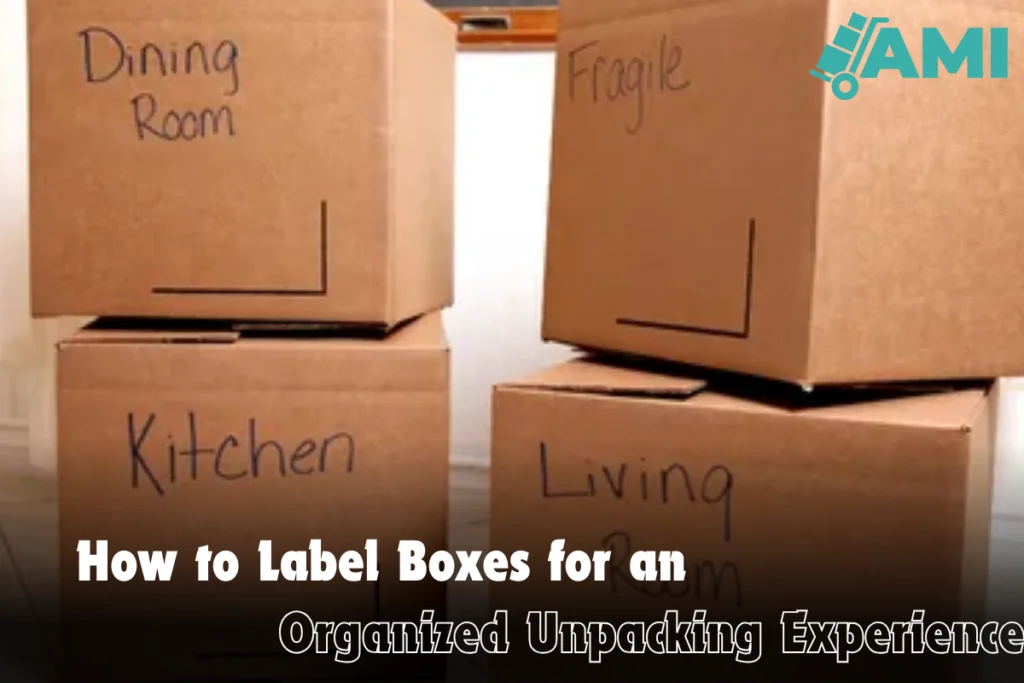
Introduction Let’s be honest. Moving is a beast. One minute, you’re riding high because you just signed a lease. You’ve got the keys, you’re doing a little victory lap, and you’re daydreaming about drinking coffee on a balcony that actually sees the sun. It feels fresh. Then? Reality checks in. You end up standing in the middle of your living room, staring down a mountain of stuff you’ve somehow hoarded over the last three years, and the panic sets in. You look at a junk drawer full of cables for gadgets you don’t even use anymore, and you just want to scream. The heavy lifting is rough, obviously, but the mental load? That’s what really drains you. The difference between a move that ruins your entire month and one that actually goes okay usually comes down to one boring detail: organization. Specifically, how you tackle those cardboard boxes. If you just throw things in and cross your fingers, you are asking for trouble. You’re basically writing a check your future self can’t cash. But if you take a beat to do it right? You save yourself from crying on the floor the first night because you can’t find your toothbrush. Whether you’re moving just down the street or to a whole new city, having a crew like Allied Movers oman helps a lot, but the real prep starts with you, a marker, and some tape. Here is the lowdown. If you have been up at 2 AM stress-eating and searching for Labeling boxes for move Oman, relax. I’ve got you covered. Why Labeling is Your Secret Weapon Most people pack with a “good enough” mindset. They toss random items into a box, slap on some tape, and scribble “Kitchen” in handwriting that looks like a chicken scratched it. Is it better than nothing? Maybe. Is it helpful when you are sweaty, hungry, and exhausted in your new place? Not at all. When you arrive, you need to know—without ripping the box open—if you’re holding a cast-iron skillet or your grandma’s tea set. You definitely don’t want to find out by hearing glass shatter when you set it down. Think of labeling as talking to your movers. If you hire pros like Allied Movers Oman, they know how to handle your stuff. But they aren’t psychics. Specific labels tell them exactly where things go so you aren’t dragging heavy boxes from the living room to the bedroom at midnight. This is why labeling boxes to move Oman needs a bit more brainpower than just “stuff goes here.” You might be dealing with elevators, narrow stairs, or shipping containers where clarity is the only thing saving your sanity. The Gear You Need Before you tape up a single box, get your supplies right. Don’t try to do this with a dried-out pen you dug out from under the couch. The Color-Coding Trick Ask any pro—including the team at Allied Movers Oman—and they’ll tell you: color-coding works. Why? Because your brain sees color faster than it reads words. On moving day, nobody has time to stop and read “Master Bedroom, Top Shelf” on every box. But a flash of yellow? You see that instantly. Pick a color for every room. When you are in the zone of labeling boxes for moving to Oman, put that colored tape on at least two sides and the top. This matters. If boxes get stacked, the top gets covered. You need to spot that color from across the room. When the truck from Allied Movers Oman arrives, the crew knows blue means kitchen immediately. It keeps the flow moving. The Numbering System (For the Control Freaks) If you want to move like a pro—where you actually know where your stuff is—combine colors with numbers. This is what top services like Allied Movers Oman do to keep inventory tight. It’s easy: This is huge for insurance. If a box vanishes or gets crushed, you don’t have to guess what was inside. You just check the list. If you are serious about labeling boxes for move Oman, this list is your safety net. It sounds like extra work, I know. But when you are hunting for a specific document weeks later, you will be glad you did it. Talk to Your Movers Through Labels Communication is key. When you bring in Allied Movers Oman, you are hiring people who want to help. Make it easy for them. Add directional labels that make sense. When you focus on labeling boxes for move Oman, think about the heat. It gets hot here. If your boxes sit in a truck, cheap ink might fade. Use waterproof markers. Allied Movers Oman handles goods carefully, but they can’t protect what they don’t know about. Clear labels keep your fine china safe. The “Open First” Box This is the most important box you will pack. It has the stuff you need to survive the first 24 hours. Toilet paper. Soap. A towel. Chargers. Maybe some snacks. Label this box so nobody misses it. “ESSENTIALS – OPEN FIRST.” Tell the team from Allied Movers Oman to load this last so it comes off first. When you are done with the chaos of labeling boxes for move Oman and get to the new house, you won’t have the energy to hunt for a toothbrush. This box saves you. Room-by-Room Breakdown The Kitchen The kitchen is a pain to pack. It’s full of weird shapes and breakables. When Labeling boxes for move Oman for the kitchen, be specific. Don’t write “Plates.” Write “Everyday Plates” or “Grandma’s China.” This lets you unpack what you need for dinner and leave the rest for later. If you use Allied Movers oman, ask them about packing the fragile stuff. The Bedrooms Pack by season. If it’s July, you don’t need winter coats. Label boxes “Winter Clothes” or “Summer Stuff.” It helps you prioritize. When working with Allied Movers oman, ask them to stack the low-priority stuff in the back of the
Eco-Friendly Packing Materials: How to Move Sustainably

Introduction Okay, let’s just be honest. Moving sucks. It just does. There’s always that specific moment—usually hitting me around 2 AM on a Tuesday—when I’m running on cold coffee and pure panic. I’m standing in the living room, staring at a wobbly stack of cardboard boxes that looks dangerously like the Leaning Tower of Pisa, and I just want to scream into a pillow. It’s not even the stress of the actual move that gets me. It’s the stuff. The sheer, overwhelming volume of stuff. And then, right on cue, the guilt kicks in. We don’t really talk about the trash side of moving, do we? We focus on the fun parts, like picking out a new sofa or fighting over paint colors. But look at the floor on moving day. It’s a disaster zone. A sea of single-use plastic. You’ve got bubble wrap flying everywhere, miles of that sticky tape that makes that ear-piercing screech every time you pull it, and those demonic Styrofoam peanuts that stick to your pants and probably end up floating in the ocean somewhere. It’s gross. And honestly, heading into 2026, where we’re all trying to be a little less wasteful, the old “wrap everything in plastic and hope for the best” method just feels wrong. It feels dated. Like smoking on an airplane or using dial-up internet. So, what do we actually do about it? Is it even possible to move your entire life without leaving a massive carbon footprint behind you? Yeah. It is. It just takes a mindset shift. You have to stop grabbing the lazy option at the gas station and start planning a bit better. And, crucially, you need the right team. If you’re partnering with Allied Movers and you know where to look for the right supplies, you can pull off a move that’s genuinely green without losing your mind. I want to walk you through this. No lectures, no guilt trips. Just real talk on where to find Eco friendly packing materials Oman shops actually stock, and how a company like Allied Movers can help you keep your sanity intact. The Plastic Problem We All Ignore I’m the first to admit I’ve done it. You get busy, the deadline is looming, and you run to the store and buy five rolls of plastic shrink wrap because it’s fast. It’s right there on the shelf, staring at you. But think about the lifecycle of that plastic for a second. You wrap a mirror. It stays wrapped for maybe 24 hours. You get to the new house, slice it off with a box cutter, and toss it in the bin. That plastic sits in a landfill for centuries. For one day of utility. It’s wild when you really think about it. It’s actually kind of embarrassing. But you can flip the script. You have the power to change the narrative just by buying different stuff. When you go out of your way to find Eco friendly packing materials Oman markets sell, you’re voting with your wallet. You’re telling the industry, “Hey, we want better options.” And the cool thing is, they’re finally listening. You don’t have to wrap your grandma’s china in dirty t-shirts (unless that’s your vibe). There are real, tough, eco-options out there now that actually work. Why Your Mover Matters More Than You Think There’s this myth that to be an “eco-warrior,” you have to move everything yourself. You know, cramming your life into the back of a Prius to save the planet. That is simply not true. Actually, the moving company you hire has a massive impact on your footprint. This is where Allied Movers really shines. They understand that efficiency is sustainability. Think about it. If you hire a random “man with a van” or try to DIY it with buddies who keep asking for pizza breaks, you usually end up making six trips back and forth. Why? Because most of us are terrible at packing a truck. I’m bad at it; we all are. You burn gas, you waste time, and things break (which creates more trash). Allied Movers? They play high-stakes Tetris. I’ve watched them load a truck, and it’s honestly art. They fit a four-bedroom villa into a space I couldn’t fit a studio apartment into. Fewer trips mean less fuel. Less fuel means fewer emissions. And way less stress for you. Plus, Allied Movers can teach you. They’ve seen thousands of moves. They know how to protect a sofa without turning it into a plastic mummy. Whether you’re moving down the street or across the country, Allied Movers has the skills to keep it green. The Hunt: Sourcing Green Supplies in Oman Okay, so where do you actually get this stuff? If you live here, you know that finding specific niche items can sometimes be a headache. A few years ago, finding Eco friendly packing materials Oman based suppliers had was tough. But it’s getting way easier. You just need to know what to look for. 1. The Magic Peanuts Styrofoam is the enemy. It never degrades. It just breaks into smaller pieces that animals eat. But now, you can get biodegradable packing peanuts made from cornstarch or wheat. They are awesome. You can literally throw them in the sink, turn on the warm water, and they vanish. No trash. When you’re hunting for Eco friendly packing materials Oman stores carry, ask specifically for starch-based void fillers. They work just as well as the toxic ones. 2. Cardboard Wrap (Bye-Bye Bubble Wrap) Everyone loves popping bubble wrap, but nobody recycles it. A great swap is corrugated cardboard wrap. It’s flexible, tough, and goes right in the recycling bin with your boxes. It uses a textured paper layer to absorb bumps. It’s a simple switch that keeps your electronics safe without the plastic guilt. 3. The Used Box Strategy Manufacturing a new cardboard box takes a lot of water and energy. The absolute best Eco friendly packing materials Oman has
Long-Term Storage Tips for Expats Leaving Oman Temporarily
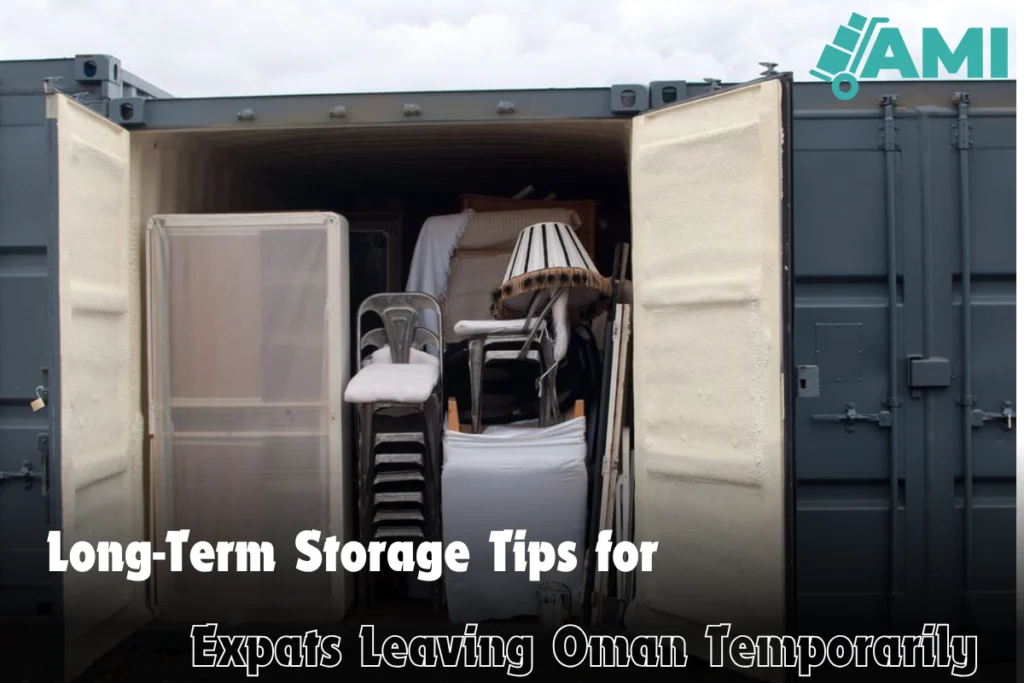
Introduction You know that feeling? The specific one where you’re standing in the middle of your living room in Al Mouj or maybe an older villa in MQ, the AC is humming that familiar drone, and you just stare at your furniture. You look at the heavy wooden chest you haggled for at the Muttrah Souq. You look at the sofa that cost a fortune to ship here. And the panic sets in. It usually hits right after the decision is made. Maybe you’re escaping the furnace of a Muscat July for a long summer back home. Maybe work is shuffling you to a temporary project in Saudi or London. Or maybe you’re just taking a beat. You aren’t leaving for good—Oman gets under your skin, it’s hard to leave forever—but you aren’t staying right now either. You are in the grey zone. And the grey zone is a logistical nightmare. The lease is up. Or maybe it just feels insane to pay rent on an empty house for six months just to keep your lampshades safe. That is burning money. But selling everything? That feels like giving up. You built a home here. You curated this space. This is the exact moment when the late-night Google deep dives for long term storage Oman expats can rely on usually kick off. It feels like the only lifeline that makes sense. I have been in these shoes. I have stood amidst a sea of half-taped cardboard boxes, sweating (because I turned the AC off too early like a rookie), wondering if my favorite books would turn into a pile of mush by the time I returned. So, let’s cut through the noise. I’m going to walk you through how to do this without losing your mind, and why I genuinely believe Allied Movers is the crew you want holding your keys. The “Muscat Heat” Factor (It’s a Monster) We need to be brutally honest about the weather here. We tell our friends back home it’s “warm.” No. It is an oven. The summer humidity in Muscat is aggressive. It finds its way into everything. I had a neighbor once—let’s call him Mike—who thought he could hack the system. He stashed his stuff in a “secure” concrete lock-up in Ghala that didn’t have climate control to save a few Rials. “It’s concrete,” he said. “It’ll be fine.” Spoiler: It wasn’t. He came back three months later. His leather shoes were green. Covered in fuzz. His acoustic guitar neck had warped so bad it looked like a banana. It was a total loss. This is the golden rule: When you are hunting for storage solutions Muscat while abroad, you cannot compromise on the AC. You aren’t paying for a locker; you are paying for an ecosystem. Allied Movers gets this. They understand that if the temperature inside that unit swings from 25°C to 45°C, your glue melts. Your wood expands. They keep their facilities locked at a steady, cool temp. It’s the difference between coming home to your stuff, or coming home to a landfill. 1. The Purge: Be Ruthless Here is the hard truth we don’t like to admit: We hoard. Especially as expats. We collect things to make us feel grounded. But do you really need that broken camping chair? The stack of magazines from 2021? The kitchen mixer you used once for a smoothie and never touched again? No. You don’t. And you definitely shouldn’t pay to store it. When you look at the logistics of long term storage Oman expats utilize, you realize that space equals cash. Every cubic meter costs you. Once you strip your life down to the essentials—the things that actually spark joy or have value—then you call Allied Movers. They can come in, eyeball your volume, and give you a quote that matches your actual needs, not your hoarding habits. 2. The Deep Clean (Don’t Roll Your Eyes) I know. You are busy. You have flights to book, visas to sort, goodbye parties to attend. You do not want to scrub a refrigerator. But listen to me: Storing dirty stuff is the kiss of death. Imagine a tiny smear of jam left on a counter. Or a few crumbs in the bottom of a toaster. In the dark, for months. That is a beacon for every ant and cockroach in the governorate. And moisture? Moisture is the enemy. Before the Allied Movers team shows up to pack, you need to go into cleaning mode. The guys at Allied Movers are professionals, but they aren’t maids. If you pack a damp towel, it will mold. And mold spreads. Don’t risk it. 3. Packing is Not a DIY Job We all like to think we can pack a box. “I have tape, I have a box, I’m good.” But packing for storage is different than packing to move down the street. Your stuff is going to be sitting still. Gravity takes a toll. Boxes at the bottom get crushed if they aren’t full. And here is the biggest mistake I see when people look for storage solutions Muscat while abroad: Plastic wrap on wood. People think wrapping their dining table in cling film protects it. It does the opposite. Wood needs to breathe. If you wrap it in plastic, and the temperature changes even a tiny bit, the wood “sweats.” The moisture gets trapped under the plastic. Result? Fungus. Allied Movers uses these specific, breathable pads. They wrap the furniture so it’s protected from dust and scratches, but the air can still circulate. It’s a game-changer. Just let them do it. It’s worth the cost just to save your back, let alone your furniture. 4. Why I Keep Bringing Up Allied Movers I’m mentioning them because I’ve heard the horror stories. I’ve heard about people coming back to find half their boxes missing or water damage in their “secure” unit. Handing your keys over is an act of trust. It’s scary. Allied Movers has a reputation
Red Flags to Watch Out for When Choosing a Moving Company

Introduction Moving should be a positive and well-organised experience, marking the beginning of a new chapter. However, selecting the wrong moving company can quickly lead to unnecessary stress, unexpected costs, and damaged belongings. These issues are more common than many people realise, especially in a competitive market like Oman. By choosing a trusted provider like Allied Movers, you can avoid these common pitfalls and ensure your move in Oman is handled professionally, safely, and with complete peace of mind. With numerous moving companies operating across Muscat and other cities, it is essential to make a careful and informed choice. While many movers are professional and reliable, others may lack proper standards, transparency, or experience. Recognising the red flags moving company Oman customers frequently encounter can help you avoid costly mistakes. By understanding the most common warning signs movers Muscat residents report and learning how to avoid bad movers Oman clients often complain about, you can protect your possessions, your budget, and your peace of mind. Making the right decision at the beginning ensures your move remains smooth, efficient, and stress-free. Why Choosing the Right Moving Company Matters Think about what’s in your apartment right now. Not just furniture with price tags. I mean your stuff. The couch where you fall asleep watching movies. Your kid’s toy collection taking over the living room. Kitchen stuff your mom gave you when you first moved out. That bookshelf you and your brother built together that’s slightly crooked but you refuse to replace it. Movers are handling all of that. Everything you own goes in their hands. Pick wrong and you’re dealing with broken furniture, surprise charges, ridiculous delays, or stuff that just disappears. I had a friend lose an entire box of his daughter’s baby clothes during a move. Mover claimed it never existed. No proof, no compensation, just gone. The moving industry here’s a mixed bag. You’ve got licensed professionals who take their job seriously. Then you’ve got random guys with a truck who think that qualifies them as professional movers. Understanding the red flags moving company Oman market throws at you helps you tell the difference before they’ve got your stuff hostage. Red Flag 1: No Physical Address or Company Details Biggest warning signs movers Muscat residents ignore? Companies with no physical location you can verify. Why This Is a Problem Real moving companies have: When movers only communicate through WhatsApp and won’t tell you where their office is, that’s screaming “SCAM” directly at you. It’s a massive red flag moving company Oman customers really need to catch. My neighbor Sarah learned this hard way. Chatted with a guy on WhatsApp for two weeks. Super friendly, answered all her questions, quoted a fair price. But whenever she asked about their office location he’d change the subject or say “we’re mobile.” Should’ve been a giant red flag right there. Moving day arrives—nothing. Calls don’t go through. WhatsApp messages turn to single grey checkmarks. He blocked her. She’d already paid a 100 rial deposit. Gone. She had to find another company that same day and pay triple because of rush fees. How to Protect Yourself Ask straight up—”where’s your office located?” Watch how they respond. Professional movers answer immediately without hesitation. They’re proud of having a legitimate business location. If they dodge the question, make excuses, or act defensive? Walk away. Not worth the risk. Red Flag 2: Unusually Low Prices Yeah, we all want good deals. I love saving money. But when one company quotes 180 rials and everyone else is saying 400-450, something’s seriously wrong. Super low prices are the most common red flags moving company Oman customers fall for. Why This Is a Problem Movers with suspiciously low prices usually: Most stories about how to avoid bad movers Oman start with “the price seemed amazing at first.” Then moving day comes and the actual bill is double or triple the quote. Or your furniture arrives destroyed because they packed everything terribly. How to Protect Yourself Get detailed written quotes breaking down: Real movers explain pricing clearly upfront. They don’t act weird when you ask questions. If someone’s vague about costs or gets defensive when you push for details, delete their number immediately. Red Flag 3: No Written Contract or Agreement Another huge warning signs movers Muscat residents face? Movers who refuse to put anything in writing. Why This Is a Problem No contract means zero legal protection when: Lack of documentation is a serious red flag moving company Oman customers ignore way too often. My coworker Rashid dealt with this. Everything was verbal promises and handshakes. “Don’t worry, we’ll take care of everything.” His dining table got badly scratched during the move. He complained and they literally laughed at him. “Prove it was us.” No contract, no photos, nothing documented. He couldn’t do anything about it. Cost him 300 rials to replace that table. Could’ve been completely avoided with a simple written contract. How to Protect Yourself Demand written contracts spelling out: Professional movers never hesitate about contracts. They actually want everything documented too so there’s no confusion later. Companies that resist giving you paperwork? They’re planning to screw you over somehow. Red Flag 4: Poor Reviews or No Online Presence Google exists. Use it. One of the clearest red flags moving company Oman residents can spot is terrible reviews repeated over and over—or having literally zero reviews despite claiming years of experience. Why This Is a Problem Consistently bad reviews mention: These warning signs movers Muscat customers share online are basically people screaming “DON’T HIRE THEM” to save you from their mistakes. How to Protect Yourself Before hiring: This is the easiest way to learn how to avoid bad movers Oman residents complain about constantly. People love sharing horror stories to prevent others from experiencing the same nightmare. I spent twenty minutes reading reviews before my last move. One company had five different reviews mentioning “charged double the quote.” That pattern saved me from making a terrible decision.