
Moving from Oman to Qatar: Cost, Process & Shipping Options

Introduction So you’re relocating to Qatar. Maybe it’s a new job, maybe you’re starting a business, maybe you just want a change of scenery – whatever the reason, moving from Oman to Qatar isn’t something you want to wing. There’s planning involved, paperwork to sort out, and honestly, picking the right moving company matters more than people expect. Packing up a household, clearing customs, getting everything to your new door in one piece – each part of that chain affects how the whole move feels. That’s basically why Allied Movers exists. We’ve been doing international relocations long enough to know where things usually go wrong, and we offer door-to-door service so your belongings get to Qatar safely and on schedule. Good movers and packers in Qatar – and a solid team of Doha movers and packers on the receiving end – can turn what’s normally a stressful process into something fairly painless. Below, we’ll go through what moving from Oman to Qatar actually involves: the process, your shipping choices, and a realistic breakdown of the cost of moving from Oman to Doha. Why More People Are Moving from Oman to Qatar Qatar’s economy keeps growing, the infrastructure is solid, and job opportunities are plentiful – so it’s no surprise professionals and families keep choosing it. Being a neighboring GCC country also helps; the logistics are simpler than shipping your life halfway across the world. Whether you end up in Doha or elsewhere, bringing in experienced movers and packers in Qatar takes a good chunk of the stress off your plate and keeps your things from getting banged up along the way. Step-by-Step Process for Moving from Oman to Qatar Once you understand the stages, moving from Oman to Qatar stops feeling like a mystery and starts feeling manageable. 1. Schedule a Pre-Move Survey Movers will usually walk through your place and look at: This is where most of the cost of moving from Oman to Doha gets estimated, so it’s worth doing properly rather than rushing it. 2. Professional Packing This part matters more than people realize. Allied Movers packs using: Sloppy packing is where damage happens. Good packing is basically insurance in itself during moving from Oman to Qatar. 3. Inventory Preparation Every item gets written down before it leaves the house. That usually covers: A tidy inventory also makes customs go faster – nobody wants their shipment stuck at a checkpoint over a missing list. 4. Customs Documentation Expect some paperwork, including: A decent relocation company handles most of this for you, which honestly is half the reason to hire one. 5. Transportation Once customs signs off, your shipment moves to Qatar using whichever method you picked. 6. Delivery and Unpacking When it arrives, professional movers and packers in Qatar bring everything to your new place and can also handle: Shipping Options for Moving from Oman to Qatar There’s more than one way to get your things across the border – it comes down to budget and how fast you need it there. Road Freight For most people, road transport is the default choice for moving from Oman to Qatar. Benefits include: It works especially well for GCC relocations, given the shared borders. Air Freight Air freight makes sense when you need things fast: It’s quicker, no question – but you’ll pay for that speed. Sea Freight Sea freight fits bigger jobs: Slower, sure. But for a full household, it can save you a decent amount of money. Cost of Moving from Oman to Doha There’s no single number here – the cost of moving from Oman to Doha shifts depending on quite a bit. Key factors include: A one-bedroom apartment obviously costs less to move than a full villa – that part’s not surprising. If you want an actual number instead of a guess, the real answer comes from a proper survey with Allied Movers. Why Hire Professional Movers and Packers in Qatar There’s a reason people pay for experienced movers and packers in Qatar instead of doing it themselves. Advantages include: Reliable movers and packers in Qatar catch the mistakes before they become expensive ones. A lot of established Doha movers and packers also give you upfront pricing, so there’s no scrambling for extra cash mid-move. Choosing Reliable Doha Movers and Packers Once your stuff lands in Qatar, finding the right Doha movers and packers to take it from there matters just as much as the shipping itself. Look for companies that offer: A good set of Doha movers and packers is what makes the last mile actually feel effortless. Documents Required for Moving from Oman to Qatar Most relocations need: Keep this stuff organized ahead of time – customs delays over missing paperwork are avoidable and annoying. Tips for a Smooth Move A few things worth doing before the truck shows up: None of this is complicated, but skipping it is exactly how moves go sideways. Why Choose Allied Movers Allied Movers has spent years handling international relocations across the GCC – this isn’t our first rodeo. Our services include: Single apartment or entire family home – our movers and packers in Qatar handle both the same way: carefully, start to finish. Common Challenges During International Relocation Every international move hits a snag somewhere. Common issues include: Experienced movers and packers in Qatar have seen most of these before, which is exactly why they’re faster at solving them than you would be on your own. Pair that with a solid Doha movers and packers team on the ground, and most of these problems never even reach you. Final Thoughts International moves sound overwhelming until you break them down – then they’re just a series of steps. With decent planning, careful packing, and the right people helping, moving from Oman to Qatar turns into something organized instead of chaotic. Know the process, pick the right shipping method, and get a realistic read on costs before you commit to anything. Pair that with trusted Doha movers
Complete Shifting Material List for a House Move (Room-by-Room)

Introduction Moving to a new place is exciting – until it isn’t. Without the right shifting material on hand, the whole thing can turn into a scramble pretty fast. Doesn’t matter if you’re crossing town or heading to a totally different city; having decent supplies protects your stuff, saves you time, and honestly just makes the first few days in the new place less chaotic. If you’re packing for moving house, a room-by-room checklist is the difference between “I know where everything is” and “where did the coffee mugs go.” Fragile kitchenware, bulky furniture, delicate electronics – none of it wants the same treatment, so each category needs its own kind of protection during transit. Below, we’ll go room by room through what you actually need, plus a few tips picked up from the folks at Allied Movers, so the move stays organized instead of turning into a mess of half-taped boxes. Why Choosing the Right Shifting Material Matters What you pack with matters more than most people think. Sturdy boxes, bubble wrap, strong tape, moving blankets, clear labels – all of it adds up to fewer cracked plates and scratched tabletops on the other end. When you’re packing for moving house, decent supplies also get you: Anyone who moves people for a living will tell you the same thing: careful prep is what separates a smooth move from a nightmare. That’s exactly why they reach for premium packing supplies instead of whatever random boxes happen to be lying around. Basic Shifting Material Checklist Before you touch a single room, round up these basics first – you’ll be glad you did halfway through: This is more or less the everyday shifting packing kit most households end up reaching for. Living Room Shifting Material List Living rooms are a weird mix – fragile décor sitting right next to heavy furniture and a TV you really don’t want to drop. What You’ll Need Items to Pack Take the shifting packing seriously here, and you’ll skip the scratches and dents that show up if things get thrown together at the last minute. Bedroom Packing Supplies Clothes, bedding, furniture, and whatever’s tucked in the nightstand drawer – bedrooms need a gentler hand than most rooms. What You’ll Need Items to Pack One thing worth doing: set aside a small overnight bag with essentials. You do not want to be digging through sealed boxes at 11pm looking for a toothbrush. Kitchen Shifting Material List Kitchens deserve extra patience, mostly because half of what’s in there can shatter if you look at it wrong. What You’ll Need Items to Pack Good shifting packing in the kitchen basically comes down to one rule: wrap glass and ceramic pieces individually, don’t just stack them loose and hope for the best. Bathroom Packing Materials Bathrooms look like the easy room – until a bottle of shampoo leaks all over your towels. What You’ll Need Items to Pack Seal bottles tight, keep them upright, and you’ll avoid the surprise mess when you open the box later. Dining Room Packing Supplies Between the table, the chairs, and the glass cabinet full of dishes you only use twice a year, dining rooms bring their own set of headaches. What You’ll Need Items to Pack Careful shifting packing here keeps that polished wood from picking up scuffs before it even makes it onto the truck. Home Office Packing Materials Anyone working from home has probably accumulated more gear than they’d like to admit. What You’ll Need Items to Pack Do yourself a favor and label every cable before you unplug it. Future-you, trying to set up the desk in the new place, will say thanks. Children’s Room Packing List Kids’ rooms need a little extra organization, mostly to keep meltdowns to a minimum on moving day. What You’ll Need Items to Pack Keep a favorite toy or two out of the boxes entirely. Everyone’s day goes smoother that way. Garage and Storage Area Packing Materials Garages are where the odd-shaped, hard-to-box stuff tends to pile up. What You’ll Need Items to Pack Anything hazardous – paint, chemicals, that half-used can of who-knows-what — should get set aside and handled on its own. Furniture Protection Materials Big furniture is heavy, awkward, and expensive to replace, so it earns a little extra care. What You’ll Need Protect: Solid shifting packing technique during loading is really what stands between a clean move and a wardrobe covered in dents. Electronics Packing Material Shock and vibration are not friends of anything with a screen or a circuit board. What You’ll Need Pack separately: Careful shifting packing here – enough padding, nothing shifting around loose inside the box – is what keeps your gear working once it’s plugged back in. Pull the batteries out where you can before anything gets boxed up. Important Labeling Supplies Good labels are the cheapest insurance you can buy against a chaotic unpacking day. You’ll want: It takes maybe ten extra minutes per box, and it saves you hours later. Complete List of Household Items and Materials for Shifting House Here’s the short version – everything most families should have sorted before moving day arrives. Packing Materials Household Items Get this sorted ahead of time and you’ll skip the last-minute dash to the store for boxes you forgot you’d need. Tips for Efficient Packing A handful of habits that make packing for moving house go a lot smoother: Small habits, but they add up to a much easier unpacking day. Why Choose Allied Movers? At Allied Movers, the thinking is pretty simple: a good move starts with good supplies and a plan that actually holds up. The team leans on industry-standard materials to protect everything from delicate glassware to heavy furniture. Apartment, villa, office – doesn’t matter what you’re moving out of. The whole process gets handled: packing, transport, loading, unloading, unpacking. That attention to detail is what makes the difference between a stressful day and one that just… works. Final Thoughts Getting
How to Create a Relocation Plan: The 8-Week Moving Timeline
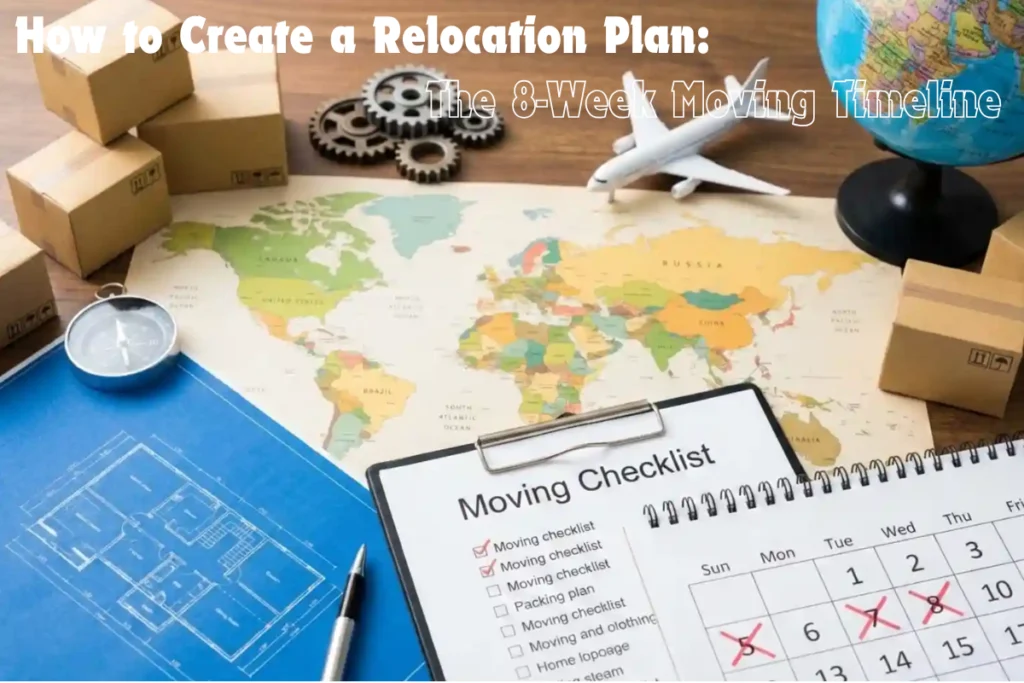
Introduction Moving house is exciting. It’s also, if you’re not careful, one of those things that quietly falls apart in the last few days before the truck shows up. That’s where a relocation plan earns its keep – it keeps you organized, takes some of the stress off your shoulders, and stops those “wait, I forgot about that” moments from piling up. Doesn’t matter if you’re moving three streets over or three countries away, a proper moving plan means fewer things get missed. If you’ve caught yourself typing how do I create a relocation plan for moving house into a search bar at 11pm, here’s the short version: break it into weekly chunks you can actually manage instead of one giant to-do list. That’s what this 8-week guide does. And working with Allied Movers along the way makes the whole thing easier, since you’ve got professional moving services and people who’ve done this a thousand times backing you up. Why You Need a Relocation Plan Think of it less as a checklist and more as the thing holding your whole move together. Good relocation planning does a few things for you: Start early and you get room to breathe. Start late and you’re doing everything at once, which is exactly the scenario you’re trying to avoid. Week 8: Start Your Relocation Planning Week one – or week eight, depending on how you’re counting down – is where you set the wheels in motion. Here’s what that looks like: This is also a decent time to sit with the question how do I create a relocation plan for moving house in a way that actually works for your household, not just some generic template. No two families pack the same way. Week 7: Declutter Your Home Before you pack a single box, go through what you own. Every strong move starts here. Sort things into: Less stuff to move usually translates into: Skipping this step is one of the more common mistakes people make in relocation planning – there’s no reason to pay someone to haul boxes of things you haven’t touched in three years. Week 6: Collect Packing Supplies Now go grab supplies. Not glamorous, but necessary. You’ll want: If Allied Movers is handling your move, ask about their packing materials and services – it can save you a supply run or two. And label everything. Room and contents, every box, no exceptions. Future-you will be grateful when unpacking starts. Week 5: Begin Packing Non-Essential Items This is where you start with the stuff you won’t miss for a few weeks. Think: Doing this gradually beats a frantic weekend of packing everything at once. Wrap the fragile stuff properly and mark those boxes so movers know to handle them with care. Week 4: Notify Important Contacts Somewhere around now, start updating your address everywhere it matters. That includes: Line up utility disconnections at the old place and hookups at the new one so you’re not sitting in the dark your first night. If you’re still stuck on how do I create a relocation plan for moving house, this is one of the steps that’s easy to forget but genuinely painful if you skip it. Week 3: Confirm Your Moving Arrangements With three weeks left, go back through everything you’ve booked and double-check it’s all still on. Confirm: Pull out your inventory list again while you’re at it and make sure nothing’s been forgotten. Allied Movers typically does a final check-in before the big day too, which takes one more thing off your plate. Week 2: Prepare an Essentials Box Here’s a small thing that makes a big difference: pack an essentials box before anything else. Toss in things like: Keep it with you, not in the truck. You do not want to be digging through fifteen boxes at 9pm looking for a phone charger – good relocation planning means you never end up in that situation in the first place. Week 1: Complete Final Preparations Last week. Time to close everything out. Get through: Walk the whole house one more time before you lock up. It’s tempting to skip this, but it’s how people find the one box they left in a closet. Moving Day Everything you’ve been building toward for weeks comes down to this one day. On the day: With a crew like Allied Movers handling the heavy lifting, you can actually focus on the move itself instead of worrying whether the couch will fit through the door. After You Arrive Getting to the new place doesn’t mean you’re done – good relocation planning covers what happens after the truck leaves too. Once you’re in: Doing this in order, instead of randomly, makes the whole unpacking stretch a lot less painful. Common Relocation Planning Mistakes to Avoid Even a move that’s mostly figured out can go sideways over a few avoidable slip-ups. Watch out for: Careful relocation planning heads off most of these before they turn into actual problems on moving day. How Allied Movers Simplifies Your Relocation Plan The moving company you pick matters more than people expect. They handle: That kind of experience means you get to focus on your family instead of the logistics of getting a couch down three flights of stairs. Final Thoughts A relocation plan doesn’t need to feel like a research project. Follow the 8-week rundown above and you’ll stay ahead of the chaos instead of chasing it. Local move or move across the ocean, staying consistent with your moving plan is what keeps the small details from slipping through. So if you’ve been asking how do I create a relocation plan for moving house, here’s the answer boiled down: start early, keep a structure, stay organized, and don’t try to do it all solo. Bring Allied Movers into the mix and the whole thing gets a lot more manageable – leaving you more energy for actually enjoying the new place. Frequently Asked Questions
What to Expect on Moving Day When You Hire Allied Movers Oman

Introduction Let’s be honest, moving day stresses people out before it even starts. Will the sofa actually fit through that hallway. Is the good mirror going to survive the trip. Is this thing going to swallow your entire Saturday. Nobody’s excited about any of that. If you’ve ever typed what to expect on moving day into Google at 1am while your brain refuses to shut off, you’re in very normal company. Here’s the part that actually helps though: book Allied Movers Oman and a lot of that dread just… goes away. The day gets planned out ahead of time. No scrambling at 7am looking for the tape gun. And it really doesn’t matter if you’re staying inside Muscat or hauling your whole life to a different city. Having some idea of what to expect on moving day before it happens makes the entire thing feel smaller than it is. When people who actually do this for a living handle the lifting and the logistics, you get to think about your new kitchen instead of how a three-seater couch is supposed to make it down a stairwell without taking the wall paint with it. So here’s the rundown. This covers what to expect on moving day, how Allied Movers Oman actually runs the process on the ground, and why so many people go out of their way hunting for professional movers Muscat residents already trust instead of just grabbing whoever’s cheapest on some listing site. Preparing Before Moving Day Movers do the heavy lifting. Literally. The wrapping, the hauling, loading the truck, all of that’s on them. But a little prep on your end still matters, and it’s honestly not much to ask. Before the crew shows up: Allied Movers Oman checks in beforehand too, so nothing’s left up in the air. That kind of communication, honestly, is what separates the professional movers Muscat clients keep rehiring from the crews that just show up and improvise. Arrival of the Moving Team First thing people usually bring up about Allied Movers Oman? They show up when they said they would. Not some vague “morning-ish” window. An actual time. The truck rolls in already loaded, blankets, dollies, straps, whatever the job needs. Wondering what to expect on moving day? This walkthrough at the start is a huge chunk of the answer, and it happens before a single box gets touched. The supervisor usually: Nothing fancy about it. Just a quick, organized start so the rest of the day doesn’t slide off track before it’s even begun. Professional Packing of Remaining Items Got the full-service package? Whatever’s still unpacked becomes Allied Movers Oman’s problem now, not yours. Proper materials go around the glassware, the electronics, artwork, kitchen stuff, all the things people worry about breaking. This, more than anything else really, is why people pick professional movers Muscat homeowners and businesses lean on instead of trying to box up an entire house the night before at 11pm. Each item gets protection that actually fits it, so the odds of a crack or a scratch drop noticeably. Curious what happens on moving day with professional movers, in practice? This step right here, somebody else quietly wrapping your whole kitchen while you deal with something else entirely, is usually the first thing people mention afterward. Furniture Protection and Disassembly Big furniture pretty much never rolls onto a truck in one piece. It needs work first. The crew from Allied Movers Oman will typically take beds apart, pull the legs off tables, wrap sofas tight, protect mattresses, cover wood surfaces, secure anything loose, before it even makes it out the front door. Depending on what it’s made of, pieces get blankets, stretch wrap, or bubble wrap, whichever actually fits. Part of what what to expect on moving day really comes down to is your furniture being protected long before it’s anywhere near a doorframe, not after it’s already picked up a scuff on the way out. Careful Loading of the Moving Truck Loading a truck the right way isn’t just stacking boxes until they sort of fit. There’s an actual method to it, even if it doesn’t look like much standing on the sidewalk watching. Allied Movers Oman generally loads the heavy furniture first, straps down appliances, keeps fragile things well away from everything else, sorts boxes by weight, tucks the delicate stuff into corners where nothing can knock into it. Once it’s all loaded, furniture gets strapped down so nothing shifts on the drive over. That kind of care is a pretty good example of what happens on moving day with professional movers who actually care whether your things show up in one piece, instead of in a box labeled “fragile” that clearly never got handled like it. Transportation to Your New Home Truck’s loaded, your stuff’s on its way. Staying in Muscat, or heading off somewhere else in Oman entirely, Allied Movers Oman plans routes that avoid the delays that don’t need to happen. Along the way the crew’s keeping an eye on things while sticking to the timeline they set. Going with professional movers Muscat families trust means your belongings are looked after the whole way, from your old front door to your new one. Unloading at Your New Property Once the truck shows up, unloading isn’t just carrying boxes in and hoping for the best. Before anything comes off, the crew checks where you actually want the big pieces set down. From there they move furniture into the right rooms, drop labeled boxes exactly where they belong, handle anything fragile like it matters, set appliances down properly, protect the floors if that’s needed. Having some sense of what to expect on moving day makes this part feel a lot less chaotic, mostly because there’s an actual plan running underneath instead of just guesswork. Furniture Reassembly This is the part people always end up thanking the crew for afterward. Reassembly. Instead of leaving you staring at a pile of bolts and a bed
Office Relocation Planning in Oman: Step-by-Step Checklist to Minimize Downtime

Introduction Look, moving offices is exciting. Maybe you’re growing fast, maybe you finally landed a spot closer to your clients, or maybe the old lease just ran its course. Doesn’t really matter why. What matters is this: skip proper office relocation planning and you’re basically signing up for lost productivity, blown budgets, and downtime nobody saw coming. A move isn’t just trucks and boxes, not even close. You need an actual office relocation strategy, something that keeps your team working while the business quietly keeps running underneath it all. If you’re here in the country and hunting for office relocation Oman services, Allied Movers runs full commercial moves designed around keeping the chaos to a minimum. Below is a checklist we put together to answer a question we hear constantly: how to plan an office move without downtime. Why Office Relocation Planning Matters Short version? Office relocation planning just means sorting the details out before moving day, not scrambling on it. Companies that build a timeline ahead of time run into way fewer delays, spend less, and honestly just deal with less stress overall. A good office relocation strategy usually gets you: Big office, small office, doesn’t matter. Time spent on office relocation planning has a way of paying itself back, in cash saved and headaches avoided. Step 1: Build a Relocation Timeline Everything starts with a schedule that’s actually realistic. Two to three months out works for most companies. Bigger ones? Give yourself more runway. Your timeline needs to cover: Get an early start and your team has room to adjust instead of scrambling at the last second. Step 2: Assign a Relocation Team Don’t dump this whole thing on one unlucky employee. Spread it out across departments so nothing slips. A workable team usually looks something like: When people actually own their piece of the move, things just go smoother. That’s it, that’s the whole trick. Step 3: Set a Realistic Budget Budgeting is where a lot of relocations quietly fall apart. Make sure yours covers: Solid relocation companies in Oman will hand you a transparent quote up front, which means fewer nasty surprises down the line. Step 4: Take a Full Office Inventory Before a single box gets packed, walk the office and list it all out, desks, chairs, meeting room furniture, computers, servers, printers, filing cabinets, supplies, everything. People skip this constantly, but it’s genuinely one of the more useful parts of office relocation planning since it shows you what’s actually worth keeping versus what should get sold off or tossed. Step 5: Declutter Before Packing Simple idea, big payoff: get rid of what you don’t need before it ever ends up in a box. Have each department sort through: Less stuff means a cheaper move, and way less unpacking on the other end. Step 6: Plan IT Relocation Carefully This is where office moves tend to succeed or completely fall apart. Computers, internet, servers, security, phones, it all has to keep working. Get your IT team to: Get this part right and you’ll dodge most of the downtime people end up dreading. Step 7: Inform Employees Early Your people need the date, the new address, what they’re packing, where they’ll be sitting, parking info, and how they’ll actually commute in. Keep updates flowing and you’ll cut way down on the last-minute confusion that always seems to pop up. Step 8: Notify Clients and Partners Easy to forget the folks outside your walls. Clients, suppliers, banks, delivery companies, government offices, utility providers, all of them need a heads up. Update the website, the Google Business listing, email signatures, social pages, even your stationery, so nobody’s guessing where to find you. Step 9: Label Everything Clearly Good labels save real hours later on. Department, employee name, what’s in the box, floor number, room number, color code it if you’re able. Plenty of movers run tracking systems too, so every box actually lands where it’s supposed to. Step 10: Move Outside Business Hours Timing matters more than people give it credit for. This is really the heart of keeping a move downtime-free: pick a weekend, a public holiday, or overnight, so your team shows up to a fully working office instead of a half-finished one. Step 11: Hire Professional Movers Commercial moves aren’t like moving apartments, not even close. Experienced movers know furniture teardown, IT handling, secure document transport, heavy equipment, loading logistics, and how to keep a business running through all of it. This is exactly the kind of work Allied Movers does for office relocation Oman projects, keeping interruptions as small as they can be. Bringing in people who’ve actually done this before adds a level of know-how that’s hard to fake with your own in-house moving plan. Step 12: Prepare the New Office First Don’t let that first truck roll up to an unfinished space. Electricity, internet, air conditioning, security, furniture layout, cleaning, get it all sorted before day one. Skip this and you’re stuck with delays right when you can least afford them. Step 13: Test Everything Immediately After Once you’re in, check the internet, computers, phones, printers, meeting rooms, security systems, and access cards right away. Catch problems early and your team gets back to real work instead of sitting around waiting on IT to sort things out. Common Mistakes to Avoid During Office Relocation Most businesses badly underestimate how much goes into this. Watch for: A well-thought-out moving plan keeps you clear of most of this mess. How Allied Movers Simplifies Office Relocation in Oman An office move is a lot more than desks and chairs, and honestly that’s the whole point of what this team does. Their services cover: With people who’ve done this a hundred times running the show, you get to focus on clients while the move happens quietly in the background. Final Thoughts Every office move that actually works comes down to one thing: solid office relocation planning, done early. Build the checklist, keep people in the
How to Import a Car into Oman from the UAE: Customs, Duty & Process

Introduction If you’ve spent any time browsing car listings in Dubai or Abu Dhabi, you already know why so many people in Oman are tempted to buy there instead of at home. The UAE market is huge, prices are often better, and you get access to brands and trims that aren’t always easy to find locally. Still, before you export car from UAE to Oman, it helps to actually understand what’s involved – the paperwork, the customs steps, and the general process from start to finish. Whether you’re relocating for work, buying yourself a new ride, or bringing in vehicles for a business, doing things the right way saves you a lot of stress later on. Working with a logistics partner like Allied Movers takes most of the guesswork out of it, handling everything from pickup in Dubai right through to customs and delivery on the Oman side. In this guide, we’ll walk through what you need to know before you export car from UAE to Oman, including the duties involved, the documents to gather, and the full procedure to export car from Dubai to Oman. Why Import a Car from the UAE to Oman? People choose to bring a car in from the UAE for a few pretty simple reasons: For a lot of Oman residents, the decision to import car to Oman from the UAE ends up saving real money compared to buying the same vehicle at home. Can You Import Any Vehicle into Oman? Not every car is automatically eligible, so before you import car to Oman, it’s worth checking that your vehicle actually meets Omani requirements. Vehicles that are generally accepted include: The car needs to meet Oman’s road safety and environmental standards before it can be registered. Documents Required to Export Car from UAE to Oman To export car from UAE to Oman without running into problems, you’ll want to have these documents ready: Companies that specialize in this kind of move will usually help you get all of this paperwork sorted before the vehicle ever leaves the country. Step-by-Step Procedure to Export Car from Dubai to Oman Knowing what’s ahead of time can save you from a lot of last-minute headaches. Step 1: Purchase the Vehicle Buy the car from wherever suits you best: Just make sure the ownership documents are complete before you commit. Step 2: Obtain Export Certificate Before you can export car from UAE to Oman, the vehicle first needs to be deregistered in the UAE. The relevant authority will issue an Export Certificate once you’ve completed: This certificate is what legally allows the car to leave the UAE. Step 3: Arrange Transportation There are a few ways to get the vehicle moved: Most people go with an enclosed or open car carrier, and a good logistics partner can arrange this side of things for you. Step 4: Customs Clearance at UAE Border Before leaving the UAE, the vehicle goes through export processing, which involves: Once that’s all approved, you’re clear to head toward Oman. Step 5: Customs Clearance in Oman One of the most important parts of the whole journey when you import car to Oman is getting through customs clearance in Oman successfully. Omani Customs will check things like: It’s only once customs clearance in Oman is complete that the vehicle can be legally imported. Customs Duty for Importing Cars into Oman Bringing a car in isn’t always free of charges – when you import car to Oman, duties and taxes can apply depending on a few factors. These usually come down to: In some cases, GCC agreements offer exemptions or a simpler process for vehicles that qualify. It’s always worth double-checking the latest customs rates before you make the move. Customs Clearance in Oman Explained A lot of importers get nervous about this stage, but honestly, it’s a lot less stressful once your paperwork is in order from the start. The process generally looks like this: Working with an experienced logistics company goes a long way toward avoiding delays at this stage. Vehicle Inspection After Import Once you import car to Oman, don’t be surprised if the vehicle needs to go through a few more checks, such as: After it clears those, you can move on to registering the vehicle. Registering Your Vehicle in Oman Once customs clearance in Oman is done, the next step is registering the car with the Royal Oman Police (ROP). You’ll typically need: Once registration goes through, you’ll walk away with Omani number plates. Cost of Exporting a Car from UAE to Oman The total cost to export car from UAE to Oman isn’t a fixed number – it shifts depending on a handful of things. These include: Going with an experienced logistics company often ends up saving you from surprise costs down the line. Common Challenges During Car Import Even though the procedure to export car from Dubai to Oman is fairly straightforward overall, people still run into a few common snags when they import car to Oman: A bit of planning upfront goes a long way toward avoiding these issues. Tips for a Smooth Car Import If you’re getting ready to export car from UAE to Oman, keep a few practical things in mind: Why Choose Allied Movers? When it comes to helping people export car from UAE to Oman, Allied Movers offers a complete, end-to-end vehicle relocation service. Their services cover: Whether you’re relocating or simply buying a car you like, having the right team takes the pressure off the whole journey, making sure your vehicle arrives safely and on time. Final Thoughts Choosing to export car from UAE to Oman is a smart move for buyers who want more choice and better prices than they’d typically find at home. Yes, there are legal and customs steps involved, but with a bit of planning, none of it needs to be complicated. Understanding how to import car to Oman, getting your paperwork together early, completing customs clearance in Oman, and
Downsizing in Muscat: How to Declutter, Organize & Use Small-Space Storage
Introduction Here’s the thing about moving into a smaller home – most people assume it means giving something up. It doesn’t have to. Muscat downsizing, done right, can actually feel like an upgrade. Less to clean, less to trip over, less to worry about. You just have to be a bit deliberate about it: clear out what you don’t need, figure out where the rest actually goes, and pick storage that earns its keep. If you’re already looking at moving day, it’s worth getting help. A team like Allied Movers takes care of the packing and hauling so you’re not doing it all yourself at 11pm the night before. They can also help you think through where furniture will actually go before you’ve committed to bringing it. This guide walks through the practical side – decluttering, organizing, and making smaller homes across Oman actually work for the people living in them. Why More People Are Choosing Muscat Downsizing It’s not just a trend. Muscat downsizing has picked up for some pretty ordinary reasons – money, time, and honestly just wanting less stuff to manage. A few reasons people give: Whatever’s pulling you toward a smaller place, a little planning up front saves a lot of headache later. Step 1: Start Decluttering Before You Move Here’s a mistake almost everyone makes: packing up literally everything and sorting it out later. Later never comes. You end up unpacking boxes you should’ve left behind. Go room by room. Four piles: Ask yourself the boring but useful questions: Less stuff means less to pack, less to pay for, and a lot more room to breathe once you’re in. Step 2: Measure Your New Home Carefully Before you get too deep into Muscat downsizing, grab a tape measure and actually walk the new place. Note down: Skip this step and you’ll end up with a sofa that doesn’t fit through the door, or a wardrobe eating half your bedroom. Movers who’ve done this a hundred times can usually help you sanity-check furniture layouts before the day itself. Step 3: Choose Multi-Purpose Furniture Furniture that pulls double duty is one of the better small space storage solutions Oman homeowners have figured out. Think: None of it looks like a compromise. It just works harder than regular furniture does. Step 4: Maximize Vertical Space Once the floor’s out of room, look up. Literally. Walls are one of the more effective home storage solutions Muscat residents don’t use nearly enough. Worth adding: Everything stays within reach, and your floor space goes back to being, well, floor space. Step 5: Organize Every Room Strategically Muscat downsizing isn’t really finished once you’ve thrown things out. What’s left still needs a home. Kitchen Helpful additions: Only keep appliances on the counter if you actually use them weekly. Bedroom Worth the investment: Small stuff, but genuinely some of the better home storage ideas for small homes in Oman once you put them together. Living Room Furniture with storage built in, decor kept modest – that’s really the whole trick here. Bathroom A few additions that help: None of this is glamorous. It just adds up. Step 6: Label Everything During Your Move Sounds tedious, saves your sanity. Labeling matters more during Muscat downsizing than in a regular move, because there’s less room for boxes to just sit around unopened. Write on each box: Something like: Unpacking goes faster, and you’re not left digging through six boxes for a toothbrush. Good moving crews tend to run their own version of this system anyway. Step 7: Invest in Smart Storage Containers Containers might be the most underrated of all the small space storage solutions Oman has going for it. Look for ones that are: Good for: Matching containers also just look better on a shelf. Small thing, but it helps. Step 8: Make Closets Work Harder Closets fill up fast in a smaller place – faster than you’d expect. Get more out of them with: Small upgrades, but they’re the kind of home storage solutions Muscat families end up using constantly, not just once and forgotten. Step 9: Store Seasonal Items Separately Not everything needs to live within reach year-round. Winter blankets in July? No thanks. Pack away things like: Vacuum bags shrink all of it down without letting moisture or dust get in. It’s a small habit, but it’s one of the more practical home storage ideas for small homes in Oman that people skip until they wish they hadn’t. Step 10: Maintain Your Organized Space Moving day isn’t really the hard part. Staying organized after Muscat downsizing is where most people slip. A few habits worth keeping up: Do this consistently and the place stays livable – not just for the first few weeks, but for years. Common Downsizing Mistakes to Avoid Things people regret later when they rush through Muscat downsizing: A bit of planning up front avoids most of this. Benefits of Professional Moving Services There’s more to downsizing than just carrying boxes out the door. Movers such as Allied Movers typically handle: Handing this off to someone experienced takes a surprising amount of stress out of the whole process. Smart Home Storage Tips for Every Home A handful of extras that work in pretty much any home storage solutions Muscat residents try, regardless of size: Small habits, but they make a small home feel a lot less small. Why Allied Movers is the Right Choice Picking the right moving company matters more than people expect. This is a team that tailors its service to the household, not the other way around. They’ve seen enough smaller-home moves to know where things usually go wrong, and they help clients pack smart, move safely, and actually settle in once the boxes are gone. Moving across the city or coming in from somewhere else entirely – either way, having people who know what they’re doing makes the whole thing less of an ordeal. Final Thoughts Muscat downsizing was never really about giving
Selling Your Car in Oman Before Moving Abroad: ROP Deregistration, Title Transfer & Export Certificate Process

Introduction Let’s be honest – when you’re preparing to leave Oman for good, your car is probably the last thing you want to spend energy on. You’ve got visa paperwork, shipping containers, goodbye dinners, and a hundred other things competing for your attention. But leaving the vehicle situation until the last minute is one of the most common mistakes people make, and it can cause real delays right when you can least afford them. For most expats and long-term residents, selling car in Oman before departure ends up being the most practical decision. It puts cash in your pocket, eliminates the stress of managing a vehicle from abroad, and cuts out the ongoing registration and insurance costs that keep piling up whether you’re in the country or not. What surprises many people, though, is that selling isn’t just a handshake deal. There’s a legal process behind it – ownership transfers, car deregistration Oman requirements, export certificates if you’re taking the car out – and if you go in without knowing what’s involved, things can get messy. This guide breaks it all down, including what the ROP process actually looks like and how Allied Movers can take some of the broader relocation burden off your plate. Why Consider Selling Your Car Before Moving Abroad? Shipping a car internationally sounds straightforward until you start looking at the actual numbers. Import duties at the destination, freight charges, compliance modifications, and customs clearance fees can easily push the total cost well above what the vehicle is worth – especially for older models. That’s why selling car in Oman before you leave tends to make more sense for most people. A few of the more practical reasons: That said, before any of this can happen, you need to understand what car deregistration Oman involves – because depending on your situation, it may or may not be part of your process. Preparing Your Vehicle for Sale Getting your documents together before you start showing the car to buyers is something most people skip – and then regret. A buyer who’s serious will want to see paperwork, and gaps in the records will either kill the deal or drag it out. Gather Essential Documents Pull these together early: Having everything ready upfront makes selling car in Oman go faster, and it gives buyers confidence that you’re not hiding anything about the vehicle’s history. Check Outstanding Fines Before you even think about starting the car deregistration Oman process, log in and check whether there are any unpaid traffic fines sitting against the vehicle. This is one of those small things that quietly blocks everything else – ownership transfers included. Get it sorted before it becomes someone else’s problem to point out. Understanding the ROP Vehicle Transfer Process All vehicle registration, transfer, and car deregistration Oman matters run through the Royal Oman Police. It’s their system, their process, and both buyer and seller need to show up to it properly. Step 1: Agreement Between Buyer and Seller Before anything goes through ROP, you and the buyer need to be aligned on the basics – price, payment method, transfer date, and who’s covering the transfer fees. It sounds obvious, but verbal agreements have a way of getting fuzzy once money changes hands. Write it down. Step 2: Vehicle Inspection (If Required) Depending on the age of the car and its registration history, an inspection may be required before the transfer can proceed. This covers roadworthiness, VIN verification, and general compliance with registration requirements. It’s worth scheduling this early rather than leaving it to the week you’re supposed to leave. Step 3: Ownership Transfer Once everything checks out, the transfer goes through the ROP system. The registration moves into the buyer’s name, and your legal connection to the vehicle ends there. If you’re leaving the country, get written confirmation of this transfer before you board that plane. You don’t want to be chasing paperwork from overseas. What Is Car Deregistration in Oman? Car deregistration Oman is the process of removing a vehicle from active registration records entirely. It’s not the same as a transfer – it’s a full removal from the system, and it’s specifically required in certain situations. You’ll typically need car deregistration Oman when: A lot of people searching the how to sell and deregister car in Oman before moving abroad ROP process assume deregistration is always required. It isn’t. Here’s the simple version: Local Sale If you’re selling car in Oman to another resident who’s staying in the country, a standard ownership transfer is all you need. Deregistration doesn’t enter the picture. Vehicle Export If the car is leaving Oman permanently, car deregistration Oman is a required step before export documents can be issued. You can’t skip it and come back to it later – it has to happen first. Exporting Your Vehicle Instead of Selling Some people just aren’t ready to part with their car. Maybe it’s a vehicle you spent years modifying, or replacement costs at your destination are genuinely higher, or it’s simply a model that holds its value better than most. Whatever the reason, exporting is a legitimate option – it just comes with more steps. Reasons to Export a Vehicle People who choose to export car Oman rather than sell locally usually have one of these situations: Run the numbers honestly before committing. Freight, insurance during transit, customs at the other end – it adds up. Sometimes selling car in Oman locally and buying something new at the destination is genuinely the better call financially. Export Certificate Process If you’re going ahead with the export, the certificate is one of the most important documents in the whole process. Without it, shipping companies won’t touch the vehicle, and customs at the destination won’t clear it. The export certificate confirms legal ownership, deregistration status, permission for export, and vehicle identification details – essentially, it’s the document that proves the car is yours to take and that Oman has no outstanding claim on it. Steps
Student Moving Services in Muscat: Affordable Tips for Relocating on a Budget

Introduction Okay, so you’ve got a move coming up. Maybe you’ve known about it for weeks, maybe it crept up on you faster than expected – either way, you’re now standing in your room looking at everything you own and thinking, “how is this going to work?” That feeling is extremely normal. Every student goes through it. The combination of excitement about a new place and mild panic about the logistics is basically a rite of passage at this point. But here’s what separates the students who come out of a move feeling fine from the ones who come out of it broke and exhausted: a bit of actual planning, and knowing where to get help that doesn’t cost a fortune. This guide is built around that. Real advice, practical steps, and an honest look at why working with affordable movers Muscat is often the smartest financial decision a student can make – not the most expensive one. Why Students Need Affordable Moving Solutions There’s no version of student life where money isn’t tight. You already know this. Rent, tuition, food, transport – by the time you’ve covered the basics, there isn’t a huge amount left for anything else. A move that costs more than it should can genuinely throw your finances off for weeks. What most students don’t realise until they’re in the middle of it is that student moving services exist specifically for this situation. Not the big corporate relocation packages designed for executives moving between countries. Actual, practical, scaled-down services for someone with a bedroom’s worth of stuff, a few boxes of books, and a laptop that cost more than they’d like to admit. The right affordable movers Muscat company understands that difference. They’re not going to walk into your place and start quoting you for things you don’t need. And more often than not, what they charge is a lot less than students assume going in. Start Planning Early Yeah, yeah – everyone says this. But hear it out, because it actually changes everything. When you leave a move until the last minute, you lose every advantage you could have had. The good time slots are gone. The quotes have gone up because demand is high. You’re buying packing supplies at full price from the nearest shop because there’s no time to be clever about it. And you’re making decisions in a rush that you’d make very differently if you had a bit more breathing room. Give yourself a few proper weeks. Use them to: None of this is complicated. It just requires doing it earlier than feels necessary. Trust the process on this one. Declutter Before You Move Be brutally honest with yourself here – when did you last actually use half the stuff in your room? That pile of notes from a module you finished eighteen months ago. The clothes that have been sitting in a bag since you moved in. The random gadgets and chargers for things you don’t even own anymore. Moving is genuinely the best opportunity to deal with all of it, because you have to touch everything anyway. Four piles. No in-between: Selling things, even cheap, puts money back in your pocket that can go toward the move itself. And the less you’re moving, the less you’re paying – most student moving services charge based on how much there is to move. Decluttering is honestly one of the most underrated student moving services Muscat affordable tips for relocating on a budget because it costs zero riyals and saves a noticeable amount. Choose Professional Student Moving Services The “borrow a mate’s car and figure it out” plan has a very specific failure mode: it works fine right up until it doesn’t, and then it really doesn’t. Things get dropped. Things get scratched. The car isn’t big enough so there are three separate trips. Everyone’s tired and slightly irritable by the second hour, and somehow you’ve still got the kitchen to do. And at the end of it, you’ve spent the whole day on something that a professional team could have knocked out in a fraction of the time. Proper student moving services – packing, loading, transport, unloading, the whole thing – exist because this scenario plays out constantly. And the cost? Usually much more manageable than people expect, especially with affordable movers Muscat companies who’ve built their pricing around students rather than corporate clients. Allied Movers is a good example. Their packages are designed around what a student actually needs – smaller scale, fair prices, flexible enough to work around the usual complications that come with student accommodation and academic calendars. Share Moving Costs with Friends If you know anyone else moving around the same time – flatmates, coursemates, anyone from your building – talk to them before you book anything. Splitting a move between two or three people cuts the cost for everyone involved significantly. Shared van space, shared packing materials, coordinated timing. It’s genuinely simple to arrange, and most student moving services are happy to accommodate it. For people in shared housing this is especially obvious – your housemates are probably moving within the same few-week window anyway. Coordinate it. One booking, shared cost, everyone benefits. It’s one of those student moving services Muscat affordable tips for relocating on a budget that sounds almost too simple but makes a real difference when you actually do it. Pack Smart and Save Money Packing materials are one of those costs that ambush people who haven’t thought about it in advance. If you walk into a shop and buy everything new – boxes, bubble wrap, tape, packing paper – you’ll spend more than you expect. So don’t do that. Instead: When you’re getting quotes from affordable movers Muscat companies, always ask what’s included in terms of packing materials. A decent number of them bundle it into the package or offer it cheaply as an add-on, which is almost always better value than buying retail. Move During Off-Peak Periods This tip is
Fine Art & Antique Moving in Oman: How Specialist Movers Protect Valuables
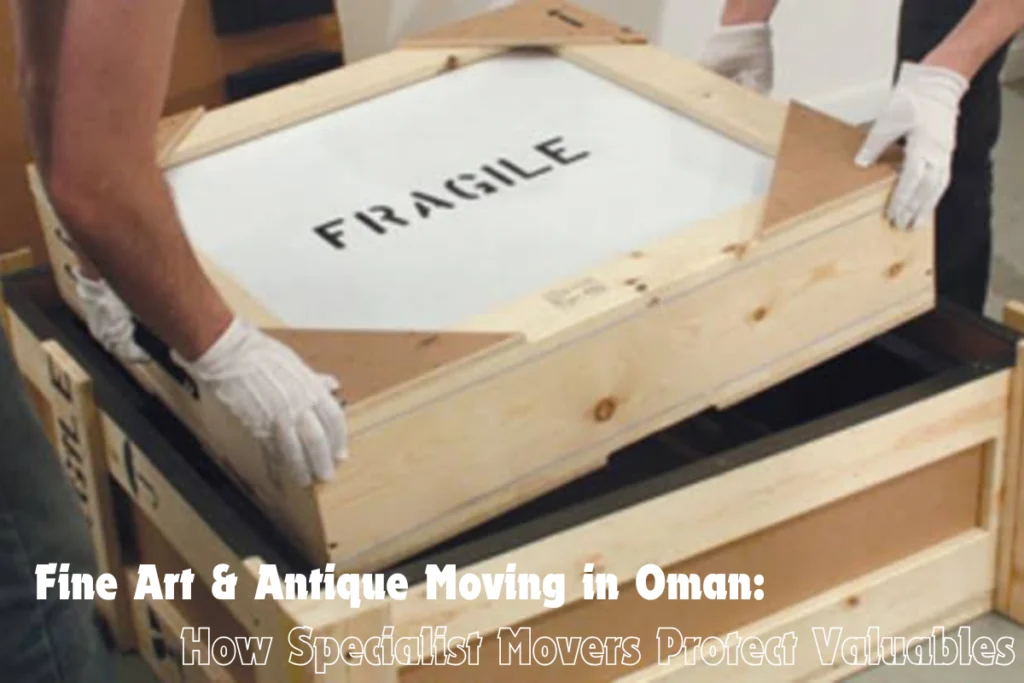
Introduction Nobody really thinks about how complicated moving can get – until they’re standing in front of a painting their grandmother left them, or a cabinet that’s been in the family for three generations, wondering how on earth it’s going to survive a relocation. That moment of uncertainty is exactly why fine art movers Oman exist. This isn’t a niche service for museums and millionaires. Regular people with valuable collections, inherited antiques, or carefully acquired artwork face this challenge all the time. And the hard truth is that most standard moving companies – good as they might be at shifting sofas and refrigerators – are simply not set up for this kind of work. Fine art movers Oman come at it differently. The training is different, the materials are different, the vehicles are different. Everything about the approach is built around one specific problem: how do you move something irreplaceable without damaging it? This guide walks through exactly how specialist movers Muscat handle that problem – step by step, from the first assessment to the final delivery. Why Fine Art and Antique Moving Requires Special Care Here’s something worth sitting with for a moment. A painting that survived a century of wars, ownership changes, and shifting climates can be ruined in a single afternoon by a careless move. That’s not an exaggeration – it happens. The risks aren’t always obvious either. People think about drops and collisions, but the damage often comes from subtler sources: Fine art movers Oman are trained to think about all of these things – not just the obvious ones. Their entire approach starts from the assumption that nothing can be left to chance. When someone types fine art antique moving services Muscat Oman how valuables are protected into a search engine, they’re not just browsing. They’re worried about something specific. They want to know if their piece is genuinely going to be okay – and they deserve a real answer, not just reassurance. Professional Assessment Before the Move Walk into any reputable specialist movers Muscat operation and the first thing they’ll want to do is look at what you’ve got. Not a quick glance – a proper, detailed evaluation. They’re looking at things like: This matters because no two pieces are alike. The approach you’d use for a large oil painting is completely different from what you’d use for a porcelain figurine or an eighteenth century writing desk. Fine art movers Oman don’t apply a one-size-fits-all solution – they figure out what each individual item actually needs, and they build the plan around that. Custom Packing Solutions for Maximum Protection Most people have no idea how much thought goes into packing a valuable piece properly. It’s genuinely fascinating when you see it done well – and genuinely alarming when you see it done badly. Fine art movers Oman use materials that simply aren’t part of a standard mover’s toolkit: That last one is worth dwelling on. A custom crate isn’t just a box – it’s a structure built specifically around your item, leaving no room for movement, no pressure on vulnerable areas, and no weak spots. It’s part of what makes fine art antique moving services Muscat Oman how valuables are protected feel categorically different from a standard removal job. Off-the-shelf boxes with some padding stuffed in aren’t going to cut it here. The packing itself is a form of protection, and professional specialist movers Muscat treat it that way. Specialized Handling Techniques Packing handles the static risk – what about the human element? Every time someone picks up, carries, or sets down a valuable piece, there’s an opportunity for something to go wrong. Specialist movers Muscat train specifically to reduce that risk at every touchpoint. In practice, that looks like: None of this is complicated in theory. But it requires discipline, training, and the kind of genuine care that fine art movers Oman bring to the job – qualities that aren’t guaranteed with a general removal company, regardless of how experienced they are with ordinary household moves. Climate-Controlled Transportation This is the part of the conversation that surprises a lot of people. Most of us don’t think about what happens inside a moving vehicle during a long journey on a hot day. But for valuable artwork and antiques, the interior environment of that vehicle can cause serious, permanent damage – even if nothing ever gets dropped or bumped. Wood expands in heat and contracts in cold. The wrong humidity level makes paint crack and paper deteriorate. Delicate fabrics shift and weaken. None of this requires a dramatic accident – just the wrong conditions sustained over time. Fine art movers Oman use climate-controlled vehicles specifically because of this. These aren’t regular trucks with the air conditioning turned up – they’re purpose-equipped to maintain: For anyone serious about protecting their collection, this isn’t an optional upgrade. It’s a baseline requirement – and a fundamental part of what fine art antique moving services Muscat Oman how valuables are protected actually means in practice. Secure Loading and Transportation Loading is where a lot of moves go wrong, even when everything else has been done correctly. Think about what happens during a journey – sudden braking, speed bumps, sharp turns, uneven road surfaces. If items aren’t secured properly inside the vehicle, all of that movement translates directly into stress on your valuables. Specialist movers Muscat approach loading with the same care as every other stage: Fine art movers Oman think through the physics of a loaded vehicle before the doors close. Where will the weight shift? What happens if the driver brakes hard? Which pieces are most vulnerable to vibration from the road surface? These questions get answered before departure, not after something moves. Insurance Coverage for Added Peace of Mind Even with every precaution taken, the unexpected can still happen. A road accident, an unforeseen weather event, a situation nobody could have planned for – these are real possibilities, and ignoring them doesn’t make them less likely.