
How to Pack Fragile Items for Moving Without Damage
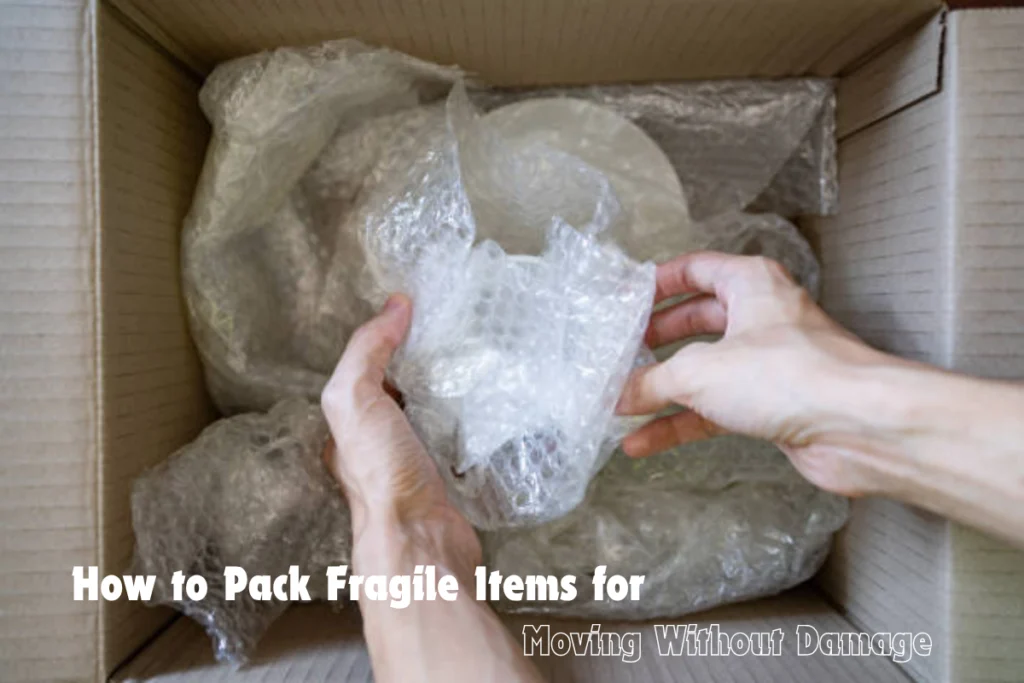
Introduction Let me be honest with you – I used to think packing was just throwing things in boxes and hoping for the best. Then I moved my grandmother’s glassware collection across three states and opened a box to find half of it in pieces. That experience changed how I think about packing fragile items moving day completely. You don’t need to learn this lesson the hard way. Whether it’s glassware you’ve had for years, décor you saved up for, or electronics that cost you a small fortune – this guide walks you through how to pack glass for moving and everything else delicate, using methods that genuinely work. Why Packing Fragile Items Properly Matters People underestimate what a moving truck actually does to your stuff. Roads aren’t smooth. Drivers brake suddenly. Boxes slide into each other. When you’re packing fragile items moving day puts your belongings through, you’re not just dealing with one big impact – you’re dealing with dozens of small ones over several hours. Getting this right means: Spend the extra time. You’ll thank yourself later. Essential Materials for Packing Fragile Items Don’t even start wrapping until you’ve gathered proper supplies. When packing fragile items moving prep begins, improvising with whatever’s available is how you end up with broken things and regret. Here’s the list: Good materials aren’t optional. They’re the difference between things arriving whole and things arriving in pieces. Step-by-Step Guide to Packing Fragile Items 1. Prepare Your Boxes Properly Most people just fold the bottom flaps and start loading. Don’t do that. When packing fragile items moving, your box is the first line of defense – treat it like one. Tape the bottom seams with multiple strips of strong packing tape. One strip down the middle isn’t enough. After that, build a cushioned base – crumpled packing paper or a layer of bubble wrap works well. Nothing should touch bare cardboard. 2. Wrap Each Item Individually I cannot stress this enough. When packing fragile items moving, the single most common mistake is grouping items together in one sheet of wrap and thinking that counts. It doesn’t. Glass against glass – even wrapped together – will find a way to damage itself. This is especially non-negotiable when you’re figuring out how to pack glass for moving – glass is uniquely unforgiving about impact. 3. Master How to Pack Glass for Moving Glasses are probably the trickiest things you’ll pack. If you’ve been wondering how to pack glass for moving without losses, here’s the method that actually holds up: Honestly, once you understand how to pack glass for moving this way, it becomes second nature pretty quickly. 4. Pack Plates and Dishes the Right Way Plates seem straightforward until you open a box and find cracks across three of them. When packing fragile items moving, stacking plates flat is one of those instincts you need to override. Standing them upright spreads the stress more evenly. Flat stacking concentrates all that weight on the plates at the bottom. 5. Fill Empty Spaces Completely This is where a lot of careful packers still go wrong. When packing fragile items moving, an empty space isn’t harmless – it’s an invitation. Things will shift. Things will knock together. Things will crack. That shake test is something I do with every single box now. It’s caught so many problems before they became real ones. 6. Avoid Overpacking One box, as much as possible in it – feels efficient, right? In practice, when packing fragile items moving, overpacked boxes are harder to grip, harder to carry, and far more likely to be dropped. Use more boxes. Smaller, lighter boxes are genuinely safer. 7. Label Boxes Clearly Two minutes of labeling saves a lot of grief. In packing fragile items moving situations, you’re often not the one carrying your own boxes – helpers and movers need to know what they’re dealing with before they pick something up. Write on every fragile box: Label every side – not just the top. Boxes end up in all kinds of orientations during a move. Using Household Items for Extra Protection Here’s something nobody really talks about: when packing fragile items moving on a budget, your own belongings make excellent padding. You’re packing them anyway. Dig out: These are genuinely great cushioning materials and especially useful when working out how to pack glass for moving without spending extra on supplies. Wrap a glass in a thick sock and it’ll travel better than you’d expect. Special Tips for High-Value Fragile Items Some things just need more thought during packing fragile items moving than standard wrap-and-box treatment. Electronics Mirrors and Frames Decorative Items Common Mistakes to Avoid Even people who are genuinely trying to be careful make these errors when packing fragile items moving: None of these are hard to avoid – you just have to stay aware of them. Smart Packing Strategy Having an actual system transforms packing fragile items moving from overwhelming to manageable. Being organized here isn’t just about efficiency. It actively reduces the chance of damage. When to Consider Professional Help Sometimes the right call is handing things over to people who do this every single day. Professional movers: For larger moves or genuinely irreplaceable items, that’s often money very well spent. Final Thoughts Real talk – packing fragile items moving well comes down to two things: patience and paying attention. It’s not complicated. But it does require you to slow down and actually do each step instead of rushing through to get it done. Whether you’re working out how to pack glass for moving for the first time or you’ve done this before and had something not survive the trip, the approach is the same. Wrap everything individually. Build real cushioning. Fill every gap. Label clearly. Don’t overload your boxes. Give yourself enough time to do it properly. Fragile things genuinely reward the care you put into packing them – and arriving at your new place with everything intact makes the whole exhausting