
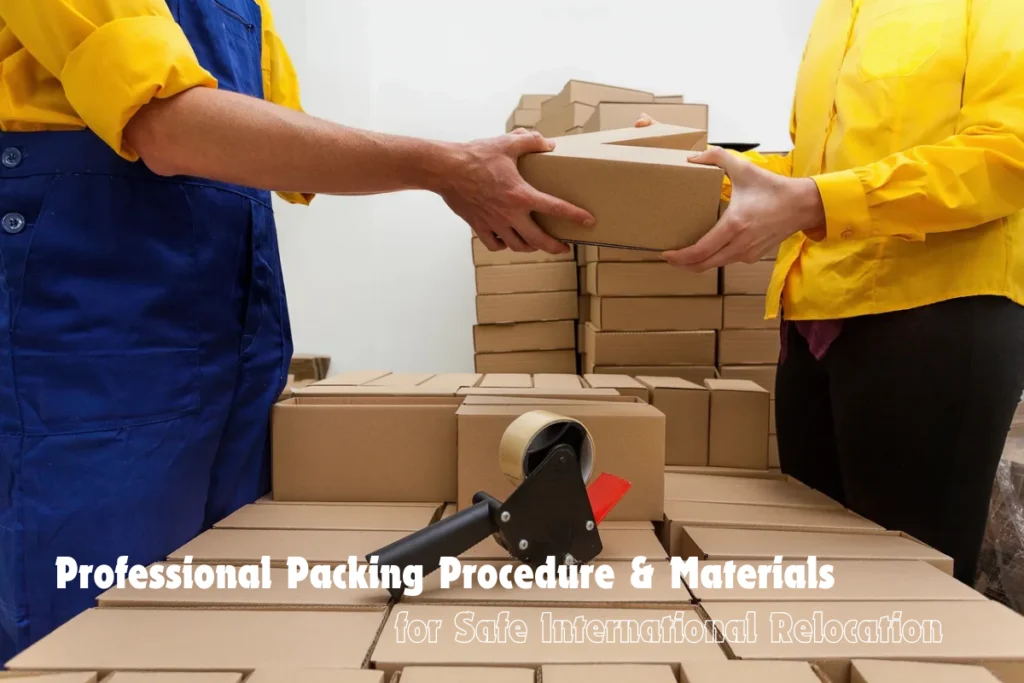
Professional Packing Procedure & Materials for Safe International Relocation
Introduction I’ve watched grown adults cry over broken things. Not expensive things, necessarily. A ceramic bowl a daughter brought back from Morocco. A framed photo that survived thirty years and didn’t survive one international move. A record collection packed in a suitcase because “it’ll be fine.” It wasn’t fine. After years in this industry, the pattern is always the same. People spend months researching where to live, weeks negotiating shipping costs, and about two hours thinking about how their belongings will actually be packed. Then they’re surprised when things arrive damaged. But they shouldn’t be – because packing is the one variable they actually had full control over, and they treated it like a footnote. A proper packing procedure & materials strategy is what stands between your belongings and everything international transit throws at them. This guide explains how we actually do it – not the sales pitch version, the real one. Why a Structured Packing Procedure & Materials Plan Matters Most people picture their belongings travelling smoothly from Point A to Point B. The reality is messier. Your shipment gets loaded onto a truck, transferred to a staging warehouse, moved into a container, stacked under other containers, loaded onto a vessel, crossed over open water for anywhere from two to six weeks, unloaded at a port, held for customs inspection, transferred again, and finally delivered. That’s six to ten different handling points, minimum. Different people, different equipment, different levels of care. A warehouse worker at a port in Rotterdam at 11pm on a Tuesday doesn’t know your grandmother’s china is in that box. He’s moving cargo. Fast. A structured packing procedure & materials plan is built for that environment, not for ideal conditions. Done right, it means: This is practical, not precious. It’s understanding what a long international shipment actually involves and packing accordingly. Step 1: Assessment & Planning The number of times I’ve seen people – and some less experienced movers – start packing before properly assessing what needs to be packed is genuinely alarming. Grabbing a box and filling it isn’t a packing procedure & materials strategy. It’s improvisation, and improvisation produces inconsistent results. A proper assessment happens before anyone touches a roll of bubble wrap. It answers the questions that shape everything else: That last one matters more than people realise. Running short on proper materials halfway through a shipment leads to improvisation – newspaper instead of foam, weak boxes instead of double-wall, gaps left unfilled because the stuffing paper ran out. Every one of those shortcuts is a gamble. At Allied Movers Oman, nothing starts until the assessment is done properly. It takes extra time upfront and prevents a much larger amount of grief at the other end. Step 2: Layered Protection System Single-layer packing – one wrap of bubble wrap, item dropped into a box – works fine for sending something across town. It fails badly on a shipment spending three weeks in a container crossing the Arabian Sea and the Indian Ocean. Layered protection is the heart of a real packing procedure & materials approach, and it works exactly the way the name suggests: multiple deliberate layers built around every individual item before it goes into any carton. The sequence matters: That final point is the goal: zero movement. An item packed so solidly it cannot shift regardless of how the box is handled. Items that have room to move will move – and moving things hit each other, hit box walls, and eventually break. Every single item gets wrapped individually. Never two items sharing the same wrap, never surfaces left in contact with each other. Surfaces that touch during transit scratch each other. Individual wrapping eliminates that entirely. Step 3: Specialised Handling for High-Value Items Some things in a home can be replaced by filing an insurance claim and ordering a replacement. Other things cannot – not really. A professional packing procedure & materials process draws a hard line between those two categories, because the approach for each is genuinely different. Artwork, antiques, high-end electronics, pieces that carry significant financial or personal value – these don’t go into standard cartons with extra bubble wrap and a prayer. When the item warrants it, custom wooden crates get built specifically for that piece. Not grabbed off a shelf in a standard size – built or selected to fit what’s going inside. Foam lining gets shaped to the contours of the item. Security seals go on before it leaves our hands. Experienced packers handle these items personally from start to finish. Not because the general crew can’t be trusted, but because some things deserve the attention of someone who has done this hundreds of times and understands exactly what can go wrong. When an antique has survived fifty years in someone’s family and then doesn’t survive one international move, the conversation is painful. Proper crating and handling makes that conversation unnecessary. Step 4: Packing Materials Used for Different Categories Walk through a professional packing job and the first thing you notice is that everything isn’t being treated identically. Different items get different materials, different amounts of cushioning, different box grades. That variation is what a real packing procedure & materials system looks like in practice. General Household Items The majority of any household shipment. Strong boxes, solid cushioning, nothing overcomplicated. Fragile Items (Glassware & Ceramics) Heavier-grade boxes that won’t buckle under the weight of cargo stacked above them. Tighter packing so there’s no movement at all – even minor shifting is too much for glass and ceramic. Electronics Humidity does to electronics what impact does to glassware – quietly and completely. Shrink wrap addresses moisture specifically. Standard wrapping doesn’t, which is why it’s not adequate here. Furniture & Appliances Edges and corners are where large pieces take damage first. Corner protectors aren’t an upgrade – they’re standard on anything large enough to have vulnerable edges. Getting packing procedure & materials right at this level of specificity is exactly what separates shipments that arrive intact