
How to Import a Car into Oman from the UAE: Customs, Duty & Process
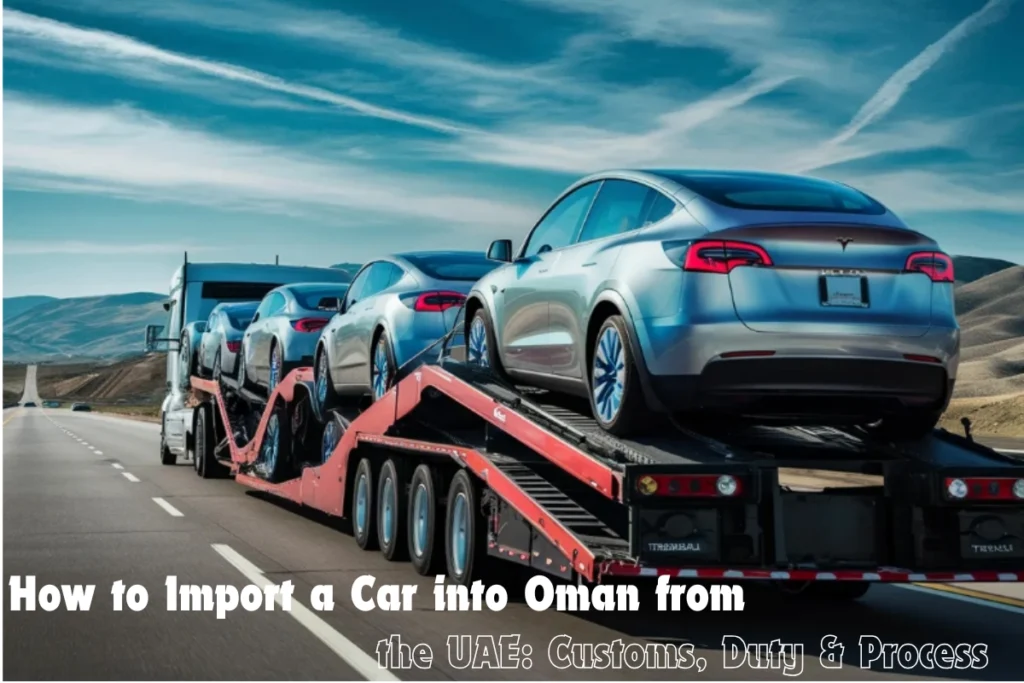
Introduction If you’ve spent any time browsing car listings in Dubai or Abu Dhabi, you already know why so many people in Oman are tempted to buy there instead of at home. The UAE market is huge, prices are often better, and you get access to brands and trims that aren’t always easy to find locally. Still, before you export car from UAE to Oman, it helps to actually understand what’s involved – the paperwork, the customs steps, and the general process from start to finish. Whether you’re relocating for work, buying yourself a new ride, or bringing in vehicles for a business, doing things the right way saves you a lot of stress later on. Working with a logistics partner like Allied Movers takes most of the guesswork out of it, handling everything from pickup in Dubai right through to customs and delivery on the Oman side. In this guide, we’ll walk through what you need to know before you export car from UAE to Oman, including the duties involved, the documents to gather, and the full procedure to export car from Dubai to Oman. Why Import a Car from the UAE to Oman? People choose to bring a car in from the UAE for a few pretty simple reasons: For a lot of Oman residents, the decision to import car to Oman from the UAE ends up saving real money compared to buying the same vehicle at home. Can You Import Any Vehicle into Oman? Not every car is automatically eligible, so before you import car to Oman, it’s worth checking that your vehicle actually meets Omani requirements. Vehicles that are generally accepted include: The car needs to meet Oman’s road safety and environmental standards before it can be registered. Documents Required to Export Car from UAE to Oman To export car from UAE to Oman without running into problems, you’ll want to have these documents ready: Companies that specialize in this kind of move will usually help you get all of this paperwork sorted before the vehicle ever leaves the country. Step-by-Step Procedure to Export Car from Dubai to Oman Knowing what’s ahead of time can save you from a lot of last-minute headaches. Step 1: Purchase the Vehicle Buy the car from wherever suits you best: Just make sure the ownership documents are complete before you commit. Step 2: Obtain Export Certificate Before you can export car from UAE to Oman, the vehicle first needs to be deregistered in the UAE. The relevant authority will issue an Export Certificate once you’ve completed: This certificate is what legally allows the car to leave the UAE. Step 3: Arrange Transportation There are a few ways to get the vehicle moved: Most people go with an enclosed or open car carrier, and a good logistics partner can arrange this side of things for you. Step 4: Customs Clearance at UAE Border Before leaving the UAE, the vehicle goes through export processing, which involves: Once that’s all approved, you’re clear to head toward Oman. Step 5: Customs Clearance in Oman One of the most important parts of the whole journey when you import car to Oman is getting through customs clearance in Oman successfully. Omani Customs will check things like: It’s only once customs clearance in Oman is complete that the vehicle can be legally imported. Customs Duty for Importing Cars into Oman Bringing a car in isn’t always free of charges – when you import car to Oman, duties and taxes can apply depending on a few factors. These usually come down to: In some cases, GCC agreements offer exemptions or a simpler process for vehicles that qualify. It’s always worth double-checking the latest customs rates before you make the move. Customs Clearance in Oman Explained A lot of importers get nervous about this stage, but honestly, it’s a lot less stressful once your paperwork is in order from the start. The process generally looks like this: Working with an experienced logistics company goes a long way toward avoiding delays at this stage. Vehicle Inspection After Import Once you import car to Oman, don’t be surprised if the vehicle needs to go through a few more checks, such as: After it clears those, you can move on to registering the vehicle. Registering Your Vehicle in Oman Once customs clearance in Oman is done, the next step is registering the car with the Royal Oman Police (ROP). You’ll typically need: Once registration goes through, you’ll walk away with Omani number plates. Cost of Exporting a Car from UAE to Oman The total cost to export car from UAE to Oman isn’t a fixed number – it shifts depending on a handful of things. These include: Going with an experienced logistics company often ends up saving you from surprise costs down the line. Common Challenges During Car Import Even though the procedure to export car from Dubai to Oman is fairly straightforward overall, people still run into a few common snags when they import car to Oman: A bit of planning upfront goes a long way toward avoiding these issues. Tips for a Smooth Car Import If you’re getting ready to export car from UAE to Oman, keep a few practical things in mind: Why Choose Allied Movers? When it comes to helping people export car from UAE to Oman, Allied Movers offers a complete, end-to-end vehicle relocation service. Their services cover: Whether you’re relocating or simply buying a car you like, having the right team takes the pressure off the whole journey, making sure your vehicle arrives safely and on time. Final Thoughts Choosing to export car from UAE to Oman is a smart move for buyers who want more choice and better prices than they’d typically find at home. Yes, there are legal and customs steps involved, but with a bit of planning, none of it needs to be complicated. Understanding how to import car to Oman, getting your paperwork together early, completing customs clearance in Oman, and
Fine Art & Antique Moving in Oman: How Specialist Movers Protect Valuables
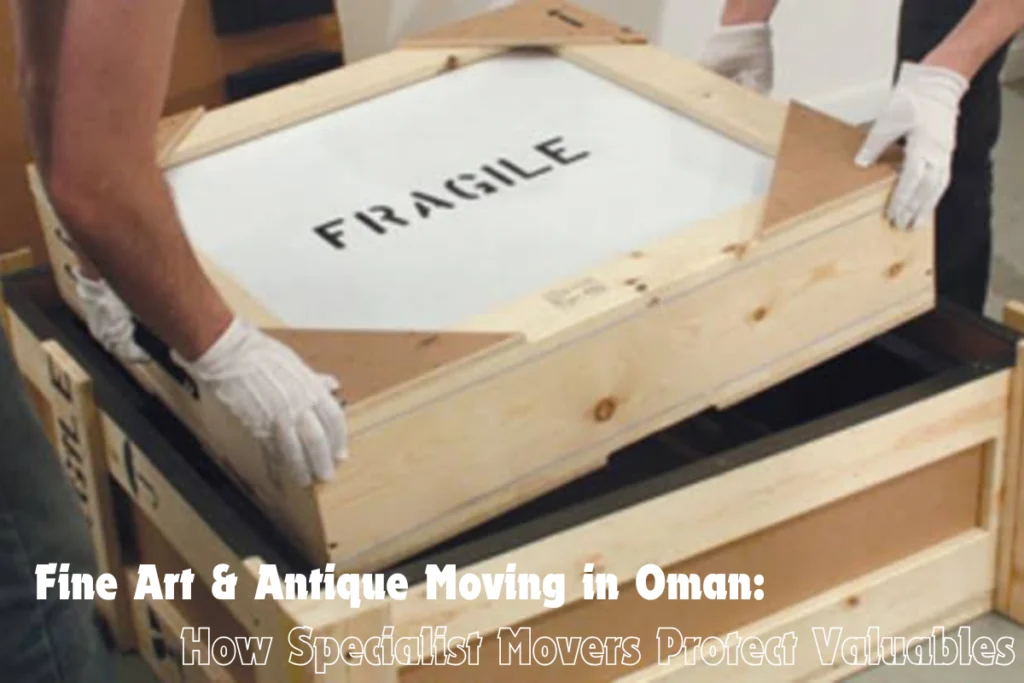
Introduction Nobody really thinks about how complicated moving can get – until they’re standing in front of a painting their grandmother left them, or a cabinet that’s been in the family for three generations, wondering how on earth it’s going to survive a relocation. That moment of uncertainty is exactly why fine art movers Oman exist. This isn’t a niche service for museums and millionaires. Regular people with valuable collections, inherited antiques, or carefully acquired artwork face this challenge all the time. And the hard truth is that most standard moving companies – good as they might be at shifting sofas and refrigerators – are simply not set up for this kind of work. Fine art movers Oman come at it differently. The training is different, the materials are different, the vehicles are different. Everything about the approach is built around one specific problem: how do you move something irreplaceable without damaging it? This guide walks through exactly how specialist movers Muscat handle that problem – step by step, from the first assessment to the final delivery. Why Fine Art and Antique Moving Requires Special Care Here’s something worth sitting with for a moment. A painting that survived a century of wars, ownership changes, and shifting climates can be ruined in a single afternoon by a careless move. That’s not an exaggeration – it happens. The risks aren’t always obvious either. People think about drops and collisions, but the damage often comes from subtler sources: Fine art movers Oman are trained to think about all of these things – not just the obvious ones. Their entire approach starts from the assumption that nothing can be left to chance. When someone types fine art antique moving services Muscat Oman how valuables are protected into a search engine, they’re not just browsing. They’re worried about something specific. They want to know if their piece is genuinely going to be okay – and they deserve a real answer, not just reassurance. Professional Assessment Before the Move Walk into any reputable specialist movers Muscat operation and the first thing they’ll want to do is look at what you’ve got. Not a quick glance – a proper, detailed evaluation. They’re looking at things like: This matters because no two pieces are alike. The approach you’d use for a large oil painting is completely different from what you’d use for a porcelain figurine or an eighteenth century writing desk. Fine art movers Oman don’t apply a one-size-fits-all solution – they figure out what each individual item actually needs, and they build the plan around that. Custom Packing Solutions for Maximum Protection Most people have no idea how much thought goes into packing a valuable piece properly. It’s genuinely fascinating when you see it done well – and genuinely alarming when you see it done badly. Fine art movers Oman use materials that simply aren’t part of a standard mover’s toolkit: That last one is worth dwelling on. A custom crate isn’t just a box – it’s a structure built specifically around your item, leaving no room for movement, no pressure on vulnerable areas, and no weak spots. It’s part of what makes fine art antique moving services Muscat Oman how valuables are protected feel categorically different from a standard removal job. Off-the-shelf boxes with some padding stuffed in aren’t going to cut it here. The packing itself is a form of protection, and professional specialist movers Muscat treat it that way. Specialized Handling Techniques Packing handles the static risk – what about the human element? Every time someone picks up, carries, or sets down a valuable piece, there’s an opportunity for something to go wrong. Specialist movers Muscat train specifically to reduce that risk at every touchpoint. In practice, that looks like: None of this is complicated in theory. But it requires discipline, training, and the kind of genuine care that fine art movers Oman bring to the job – qualities that aren’t guaranteed with a general removal company, regardless of how experienced they are with ordinary household moves. Climate-Controlled Transportation This is the part of the conversation that surprises a lot of people. Most of us don’t think about what happens inside a moving vehicle during a long journey on a hot day. But for valuable artwork and antiques, the interior environment of that vehicle can cause serious, permanent damage – even if nothing ever gets dropped or bumped. Wood expands in heat and contracts in cold. The wrong humidity level makes paint crack and paper deteriorate. Delicate fabrics shift and weaken. None of this requires a dramatic accident – just the wrong conditions sustained over time. Fine art movers Oman use climate-controlled vehicles specifically because of this. These aren’t regular trucks with the air conditioning turned up – they’re purpose-equipped to maintain: For anyone serious about protecting their collection, this isn’t an optional upgrade. It’s a baseline requirement – and a fundamental part of what fine art antique moving services Muscat Oman how valuables are protected actually means in practice. Secure Loading and Transportation Loading is where a lot of moves go wrong, even when everything else has been done correctly. Think about what happens during a journey – sudden braking, speed bumps, sharp turns, uneven road surfaces. If items aren’t secured properly inside the vehicle, all of that movement translates directly into stress on your valuables. Specialist movers Muscat approach loading with the same care as every other stage: Fine art movers Oman think through the physics of a loaded vehicle before the doors close. Where will the weight shift? What happens if the driver brakes hard? Which pieces are most vulnerable to vibration from the road surface? These questions get answered before departure, not after something moves. Insurance Coverage for Added Peace of Mind Even with every precaution taken, the unexpected can still happen. A road accident, an unforeseen weather event, a situation nobody could have planned for – these are real possibilities, and ignoring them doesn’t make them less likely.
Customs Clearance When Moving Internationally From Oman
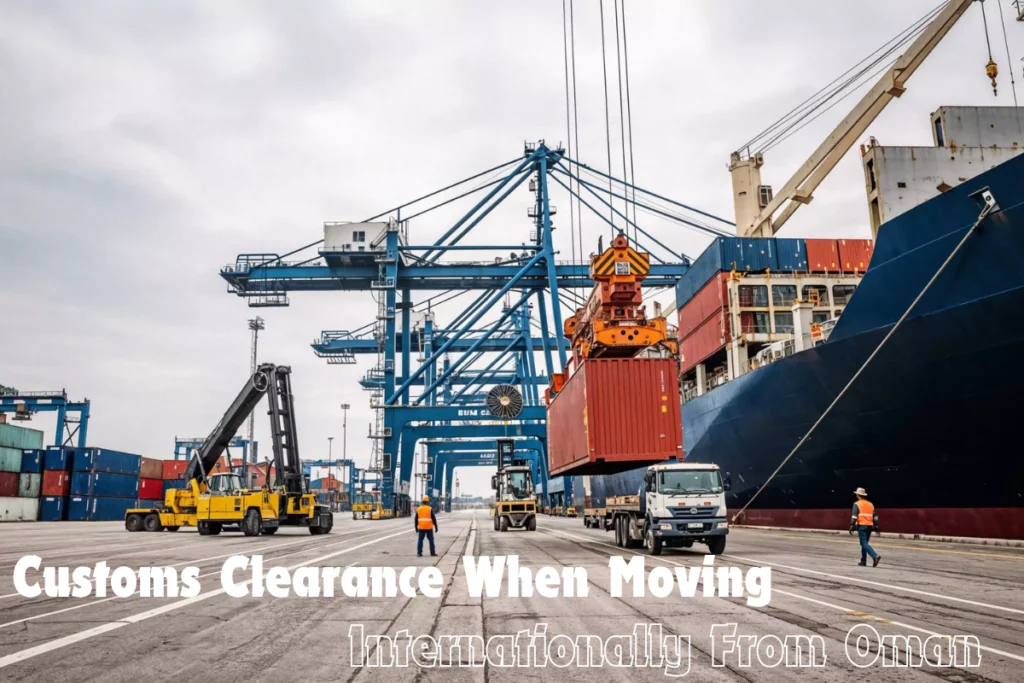
Introduction Honestly? Customs was the thing that nearly broke me during my international move. Not the packing, not finding a place to live, not even saying goodbye to people I’d known for years. It was the paperwork. The holds. The phone calls to officials who spoke a different language in every sense of the word. Everyone warned me about culture shock. Nobody mentioned customs shock. So if you’re sitting in Oman right now, boxes half-packed, wondering what you’re actually getting yourself into with this move – this is what I wish somebody had told me before I started. What Is Customs Clearance and Why Does It Matter? Your stuff doesn’t just get picked up from your house in Oman and dropped off at your new front door somewhere else in the world. That’s not how it works. It travels, yes – but it also stops. At ports, at borders, at inspection facilities where officials go through it, verify it, question it, and decide whether it can continue on its way. That stopping and checking process is what people mean when they say customs clearance moving abroad. What are they actually checking for? A few things: When something goes wrong in international relocation customs – a missing form, an item that raises questions, a description that doesn’t match what’s actually in the box – your shipment doesn’t get waved through. It stops. It waits. And you pay for every day it waits, usually in storage fees, while you’re in a new country with no furniture and a lot of regret. Documents You’ll Need for Smooth Clearance I’ve spoken to so many people who got stuck in customs, and the story is almost always the same: the documents weren’t right. Not necessarily fake or fraudulent – just incomplete, or vague, or contradicting each other in some small way that suddenly became a very big problem. For customs clearance moving abroad, these are the documents you’ll typically need: Let me dwell on that packing list for a second, because people consistently underestimate it. Writing “household items” on a customs form is essentially writing nothing. What officials actually need is: “wooden dining table, used, bought 2019” or “plastic children’s toys, no batteries included.” Every item. Real descriptions. In international relocation customs, that specificity is what separates shipments that sail through from shipments that get pulled for further inspection. Restricted and Prohibited Items This one catches people who’ve done everything else right. You’ve been careful, you’ve been organized, you’ve got your documents in order – and then one item in one box creates a problem at the border because you didn’t know it was an issue. Common culprits: For customs clearance moving abroad, the fix here is simple and it costs you almost nothing: look up your destination country’s import restrictions before you start packing. Give it an hour of your time. Actually read through what’s prohibited, what’s restricted, and what requires special documentation. In international relocation customs, finding out something is banned after it’s already on a cargo ship is an expensive lesson. Find out before it ever leaves your house. Duties and Taxes: Will You Have to Pay? Short answer: maybe. The longer answer depends on where you’re going and several other factors that are worth understanding before you arrive. What typically determines whether duties apply: Permanent relocations with used household goods often qualify for duty exemptions – but those exemptions aren’t automatic. They come with conditions. Proof of residency. Proof that the move is permanent. Sometimes a minimum period of time you must have lived outside the country before the exemption kicks in. For customs clearance moving abroad, build a small financial buffer into your moving budget. Not a huge one, just something. Because getting an unexpected duties bill when you’re already stretched from a cross-border move is a specific kind of miserable that’s completely avoidable with a bit of planning. In international relocation customs, the financial surprises are real and they happen to prepared people too. Just expect that possibility and take away its power to derail you. Timing Matters More Than You Think Nobody thinks about timing until it’s too late and their shipment is sitting somewhere waiting while they’re sleeping on the floor of an empty apartment. Customs clearance isn’t quick. Depending on your destination, the port, how busy things are, and whether your shipment gets flagged for physical inspection, you could be waiting anywhere from a few days to several weeks. Actual weeks. What affects how long it takes: For customs clearance moving abroad, the advice from people who’ve done this before is consistent: get to your destination before your shipment does. If your boxes arrive while you’re still in Oman finishing things up, they sit in paid storage. Every day costs money. In international relocation customs, timing isn’t a minor logistical detail. It’s a real financial variable that affects your budget directly. The Role of Professional Movers I’ll be direct here. International moves are complicated. Customs is one of the most complicated parts of an international move. Trying to manage it entirely on your own while simultaneously handling everything else involved in leaving one country and starting over in another is genuinely where things go wrong. A good international moving company like Allied Movers handles: For customs clearance moving abroad, working with professionals like Allied Movers isn’t about comfort – it’s about not making expensive mistakes at the worst possible time. In international relocation customs, the value of having someone experienced in your corner shows up most clearly when something unexpected happens. And something unexpected almost always happens. Packing Tips That Help With Customs The physical way you pack your shipment affects how it moves through inspection. A well-labeled, organized shipment with a clear inventory that matches the paperwork gets processed faster than something that looks chaotic and vaguely described. What actually helps: During customs clearance moving abroad, a discrepancy between what’s described and what’s actually in a box – even an accidental one – can