
Importing a Vehicle into Oman: Customs Duties, Eligibility & What to Expect
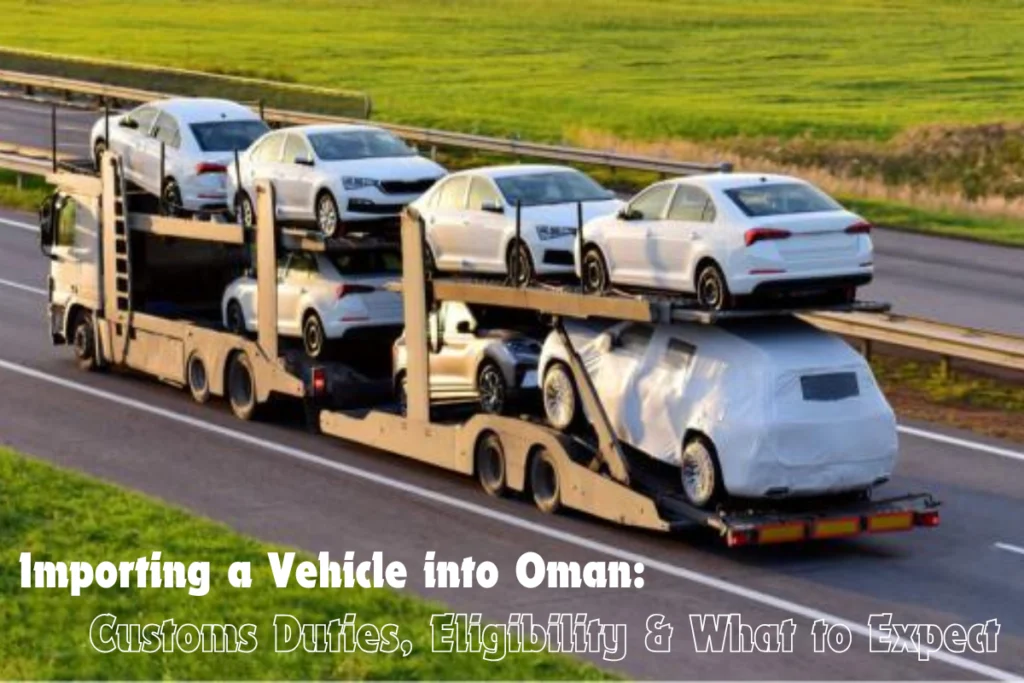
Introduction Nobody warns you about the paperwork. You spend weeks researching which car to import, sorting out the shipping logistics, and then somewhere between the bill of lading and the third customs form, it hits you – this is genuinely complicated. Whether you are moving to Oman for work, finally coming back home after years overseas, or just importing a specific vehicle you could not find locally, the process demands more attention than most people expect going in. The people who get through this without major headaches are not the lucky ones. They are simply the ones who understood vehicle customs clearance before the car left its origin country – what it actually involves, what it realistically costs, and where things tend to go sideways. That preparation is what this guide is about. We will cover who qualifies to import, which documents you cannot afford to get wrong, how duties are actually calculated, and the complete vehicle customs clearance certificate documents duties Oman step by step breakdown. Where professional help from companies like Allied Movers genuinely adds value, we will be honest about that too. Understanding Vehicle Import Rules in Oman Oman’s vehicle import regulations exist for legitimate reasons – road safety, emissions compliance, taxation. They are not designed to be a maze, but they will feel like one if you show up unprepared. Everything flows through vehicle customs clearance, which sits under the authority of Omani customs officials. No vehicle entering the country skips this stage, regardless of its age, origin, or how long you have personally owned it. Every car gets inspected, assessed, and cleared before it can be registered and driven on Omani roads. People who have relocated before will tell you the same thing: learning how customs clearance Oman works before your vehicle ships is not just helpful – it is the single thing that most reliably keeps your timeline intact. Discovering a compliance gap after the car is already at port is a situation nobody wants to be in. Who Is Eligible to Import a Vehicle into Oman? The eligibility side of things is less complicated than most people fear. The criteria cover a fairly wide range of situations, and most residents and citizens qualify without issue. Eligible importers generally include: Where things get messy is not eligibility itself – it is proving it. Your residency documents, ownership records, and identification all need to be current and consistent with each other. A mismatch that seems minor to you can look significant to a customs official reviewing your file. Allied Movers make a habit of going through these documents with clients before anything is booked for shipping, and it is remarkable how often that catches something that would have caused a delay later. Vehicle Age Restrictions and Compliance Ask anyone who has imported a vehicle into Oman what surprised them most, and a good number will mention this section. Age restrictions and compliance standards feel like a footnote until they become the reason your car is stuck at the port. Omani authorities take vehicle condition and standards seriously. Older vehicles, depending on their category and use, can face additional requirements or outright restrictions. Before arranging shipment, take an honest look at: Just because a car cleared inspections in Germany or the UAE does not mean it will move through customs clearance Oman without a second glance. Standards differ, and the time to identify a potential problem is before the vehicle is loaded onto a ship – not after it arrives. Required Documents for Vehicle Import This is where most delays actually originate. Not at inspection, not at duty assessment – at documentation. Missing a single paper can stall the entire vehicle customs clearance process, and the frustrating reality is that it is almost always preventable. Here is what you will typically need: These form the foundation of the vehicle customs clearance certificate documents duties Oman step by step requirements. The advice that actually matters here: do not wait until the vehicle is nearly at port to pull this together. Start early, keep physical copies and backups of everything, and have someone check your file before you consider it complete. Allied Movers handle this kind of document review regularly because they know precisely what Omani customs expects – and they know which gaps tend to cause the most trouble. Understanding Customs Duties in Oman This is the part that produces the most unpleasant surprises, usually because people budget based on rough estimates rather than a genuine understanding of how duties are calculated. The primary basis is the declared value of your vehicle, but several other factors feed into the final figure: Two things worth saying plainly here. First, declare accurately. Customs officers in Oman are experienced at spotting undervaluation, and the consequences of a dispute – delays, penalties, additional scrutiny – cost far more than any saving you might have imagined. Second, build your customs clearance Oman budget before the vehicle ships, not after. Include duties, shipping, inspection fees, registration, and insurance. People who treat duties as their only cost tend to be the ones caught short. Vehicle Customs Clearance Certificate Documents Duties Oman Step by Step For first-time importers especially, having a clear picture of how the process unfolds from start to finish removes a lot of the anxiety around it. Here is the complete vehicle customs clearance certificate documents duties Oman step by step breakdown. Step 1: Prepare Documentation This is where everything starts, and honestly where everything is won or lost. Get your full document set together before the vehicle leaves. Finding out something is missing at this stage takes a day. Finding out at port takes weeks. Step 2: Vehicle Arrival at Port The vehicle arrives, customs authorities log the shipment, and the formal process begins. From this point forward, things move according to their timeline, not yours. Step 3: Customs Inspection Officials examine the vehicle in person – its condition, its declared value, and whether it actually meets import regulations. What